
Europe has the expertise - now it is time to connect it
From collaboration to impact
Europe is home to world-class neuroscience, technology, universities and innovative companies. But how can we connect these strengths to accelerate the development of neurotechnology that makes a difference to people?
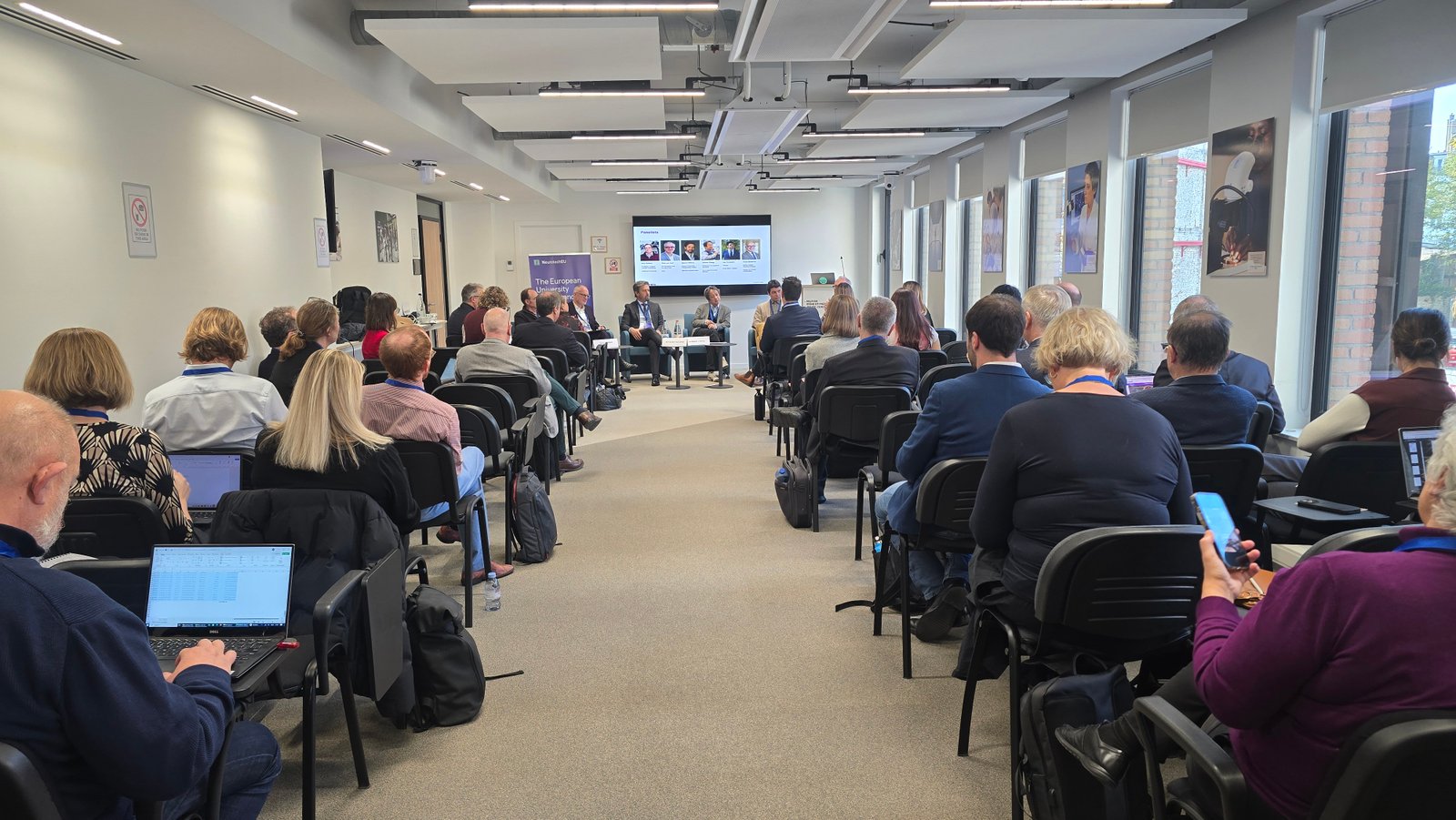
That question was at the heart of Connected Brains – Connected Europe, bringing the NeurotechEU community together in Brussels with policymakers, researchers, industry, entrepreneurs and other partners to help shape the next chapter of the alliance.
The morning started from within NeurotechEU, with a deliberately forward-looking discussion: what should we do together that would be difficult to achieve as individual universities?
The answer was not simply to do more. It was to focus, connect and create impact. “We are no longer pilots. We are entering the decade of impact.”
Bringing new perspectives into the conversation
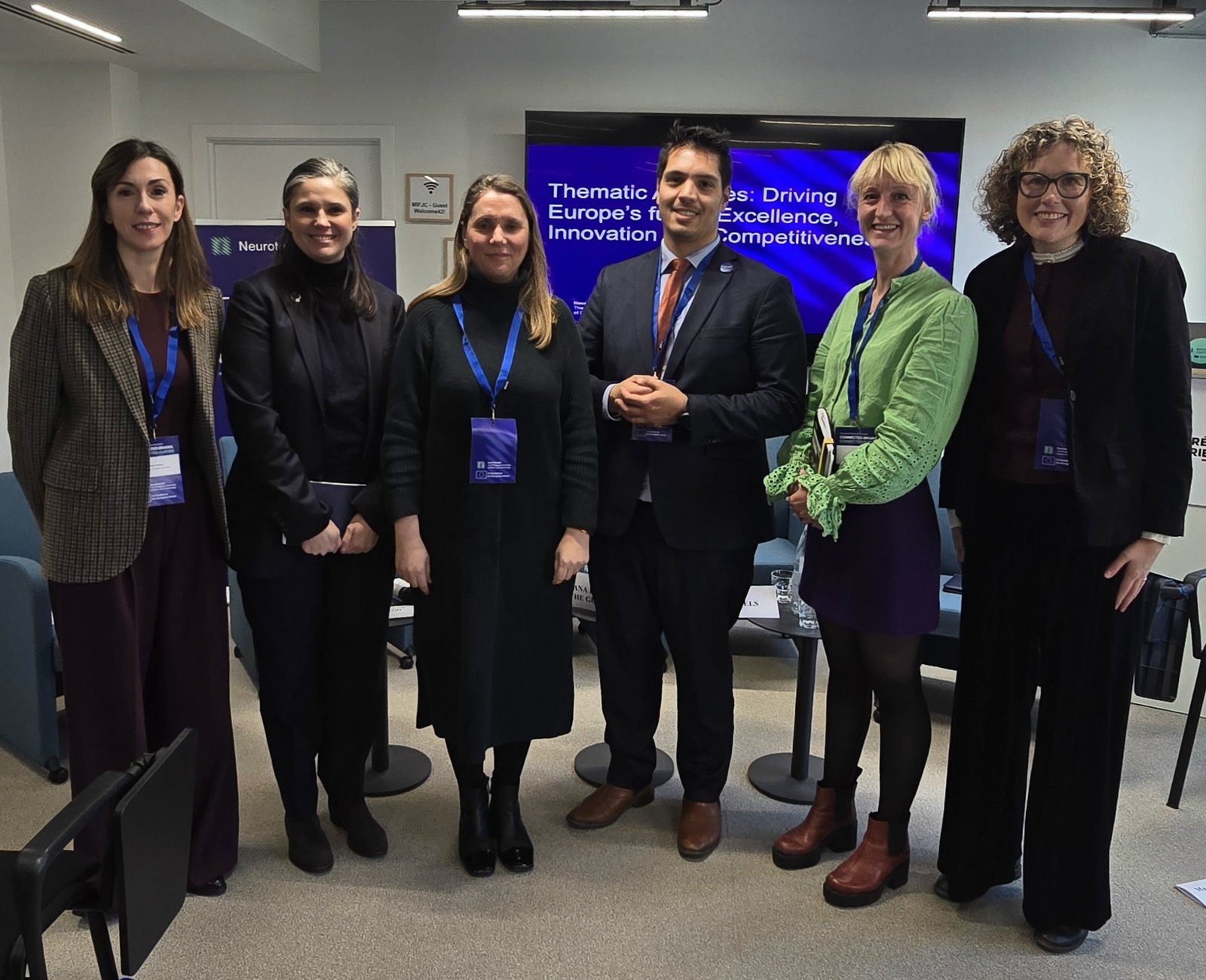
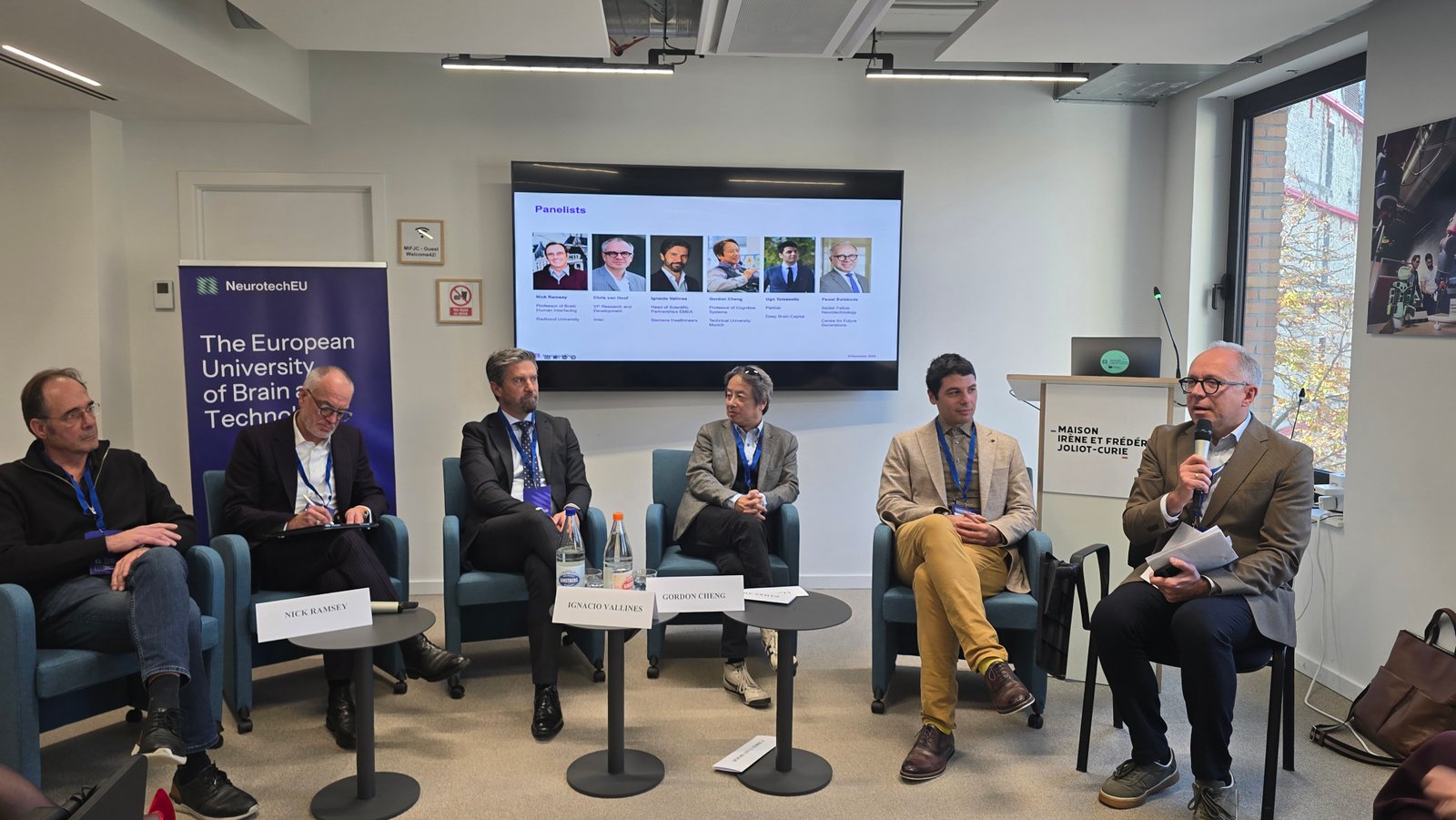
In the afternoon, the conversation expanded beyond the alliance. Around 40 external guests joined NeurotechEU, bringing perspectives from European institutions and public authorities, industry and start-ups, investment, research and higher education, professional networks and civil society.
Together, they explored some of the big questions facing European neurotechnology: how to turn excellent research into applications, create stronger links between universities and industry, support the next generation of talent, foster entrepreneurship and build trust around rapidly developing technologies.
Again and again, the discussion came back to connection. Connecting research with education. Universities with industry. Ideas with investment. Innovators with regulators. And neurotechnology with the people it ultimately needs to serve.
“Neurotechnology should, by default, create meaningful impact.”
Connecting Europe’s neurotechnology ecosystem
For NeurotechEU, this opens an exciting possibility: not to become another research organisation or industry network, but to help connect the different parts of Europe’s neurotechnology ecosystem and create opportunities that no single partner could create alone.
“Europe has big ambitions in areas like health, sovereignty and competitiveness. It became abundantly clear again that thematic alliances like NeurotechEU help achieve these ambitions. Through education, but certainly also through research and innovation. So we look forward to being able to play a stronger role in these fields in European Universities Alliances 2.0." said Mark Vlek de Coningh General Secreatry NeurotechEU.
From ideas to action
Brussels provided plenty of ideas, but also a clear sense of urgency. The next step is to turn that energy into priorities, partnerships and action.
Or, as the event concluded: “We have to get to work.”