
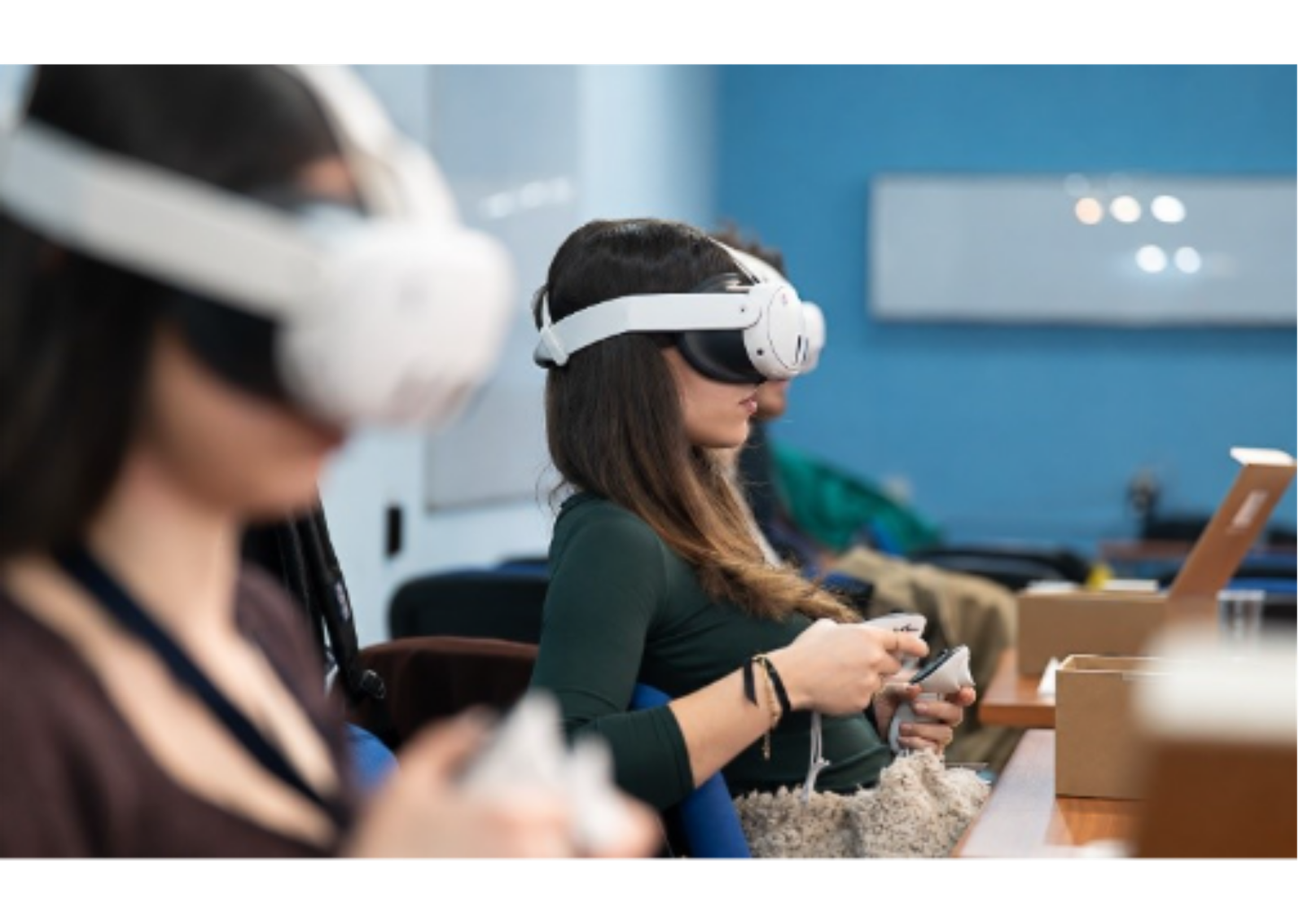
European Master in Neurotechnology to bring together seven NeurotechEU partners
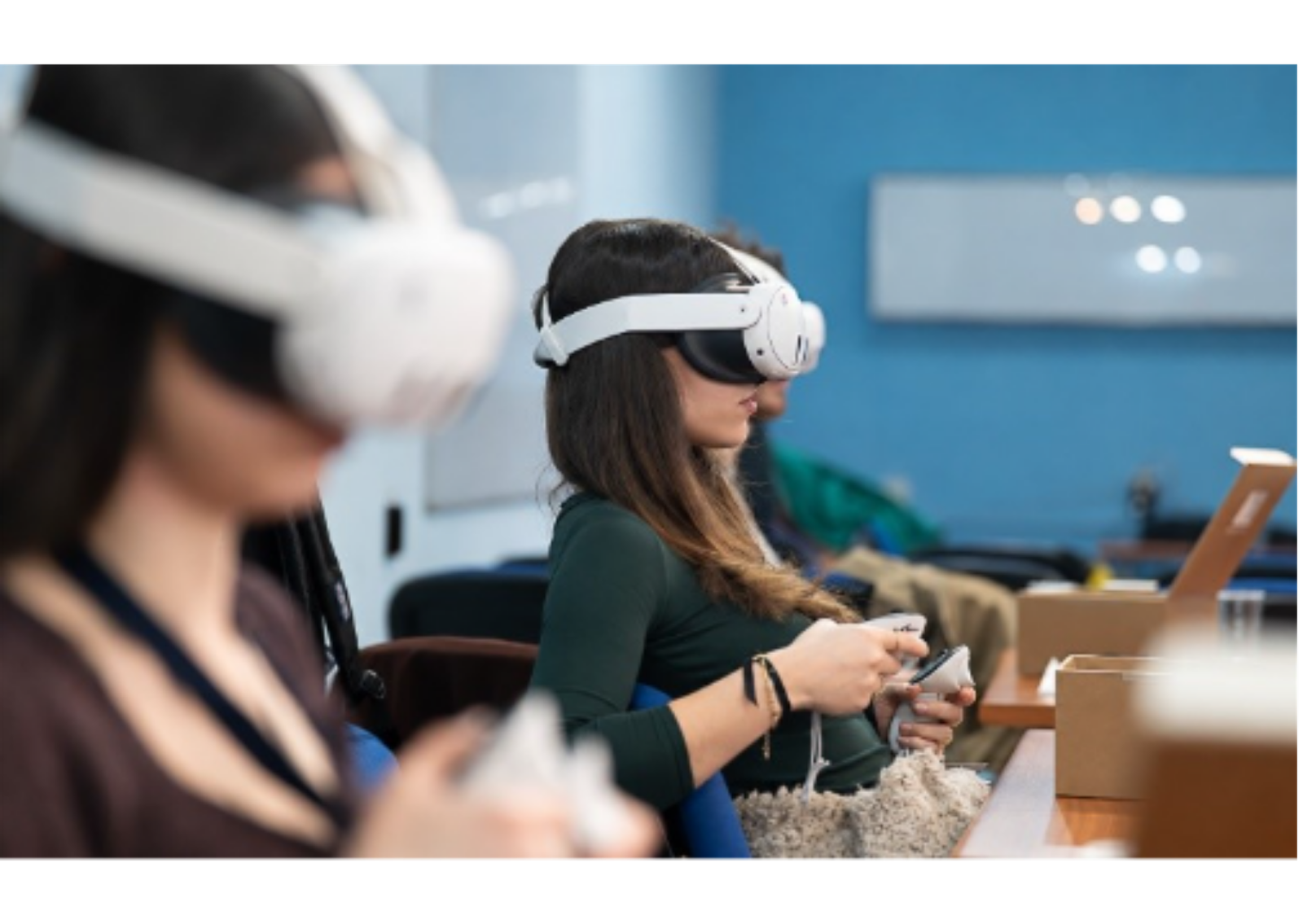
Jointly designed by seven partners
The EMN has been jointly designed by Radboud Universiteit (Netherlands), Universidad Miguel Hernández de Elche (Spain), Rheinische Friedrich-Wilhelms-Universität Bonn (Germany), Boğaziçi Üniversitesi (Turkey), Universitatea de Medicină și Farmacie din Cluj-Napoca (Romania), Université de Lille (France) and Háskólinn í Reykjavík (Iceland).
The programme will lead to a joint degree certificate that is recognised by all seven participating institutions.
A European learning journey
Designed for students with backgrounds in science, technology, engineering, mathematics, or neuroscience, the EMN combines the expertise, research environments, and infrastructure of seven European universities into one programme. Students will be able to complete courses, research placements and their master's thesis across partner campuses, while gaining academic, cultural and linguistic experience in an international setting. Within the programme, as Nick F. Ramsey, Chair of the EMN Academic Program Board, explains, “students will benefit from learning to bridge between disciplines, across multiple European institutions, engaging with leading researchers and innovation ecosystems, and developing skills that are increasingly demanded by academia, healthcare providers and the neurotechnology industry.”
Combining expertise from biomedical and systems neuroscience, clinical perspectives, artificial intelligence, computation and technology, the programme equips students from different academic backgrounds to collaborate on complex neurotechnology challenges and learn to connect knowledge across disciplines.
Through NeurotechEU's network of associated partners, including hospitals, biotech companies and technology start-ups, students will also tackle real-world challenges. These may range from brain-computer interfaces to advanced therapies for neurodegenerative diseases, linking learning to societal needs and innovation.
A progressive two-year curriculum
The EMN comprises 120 ECTS over four semesters. The curriculum combines theoretical foundations, challenge-based learning and international mobility that transforms students into transdisciplinary experts.
Semester 1: Building the foundation
Students are introduced to the programme's four core domains: Brain Systems, Clinical, Technology and Computation. They also study Ethical, Legal and Social Aspects (ELSA), ensuring that technical learning develops alongside ethical and human awareness.
Semester 2: Deepening knowledge
Students deepen their knowledge in two neurotechnology domains, with an emphasis on methods, interdisciplinary collaboration and applying knowledge to Academic Challenges during Academic Challenge Weeks.
Semester 3: International mobility and innovation
Students complete mandatory mobility at another partner university, where they study a third domain in depth and may take elective courses. The semester also includes an Industry Challenge & Innovation Lab, broadening technical expertise, professional networks and deep international immersion.
Semester 4: Master's thesis
The final semester is dedicated to an interdisciplinary master's thesis. It may be completed at the student's starting university, host university or another partner institution, in which students demonstrate their ability to conduct interdisciplinary research at the intersection of Brain Systems and Clinical perspectives with Computation and Technology.
Four connected domains
Brain Systems focuses on the anatomical and physiological foundations of the nervous system. Clinical addresses neurological, neurodevelopmental and psychiatric disorders and their diagnosis, treatment and rehabilitation. Technology covers the development of devices, sensors and brain-machine interfaces, while Computation includes neural data analysis, brain modelling, programming and artificial intelligence in neuroscience. Together with ELSA, the domains connect neuroscience, healthcare, engineering and data science with ethical and legal perspectives.
*The EMN has received a conditional accreditation on Sept 16, 2026 by the Accreditation Organisation of the Netherlands and Flanders.