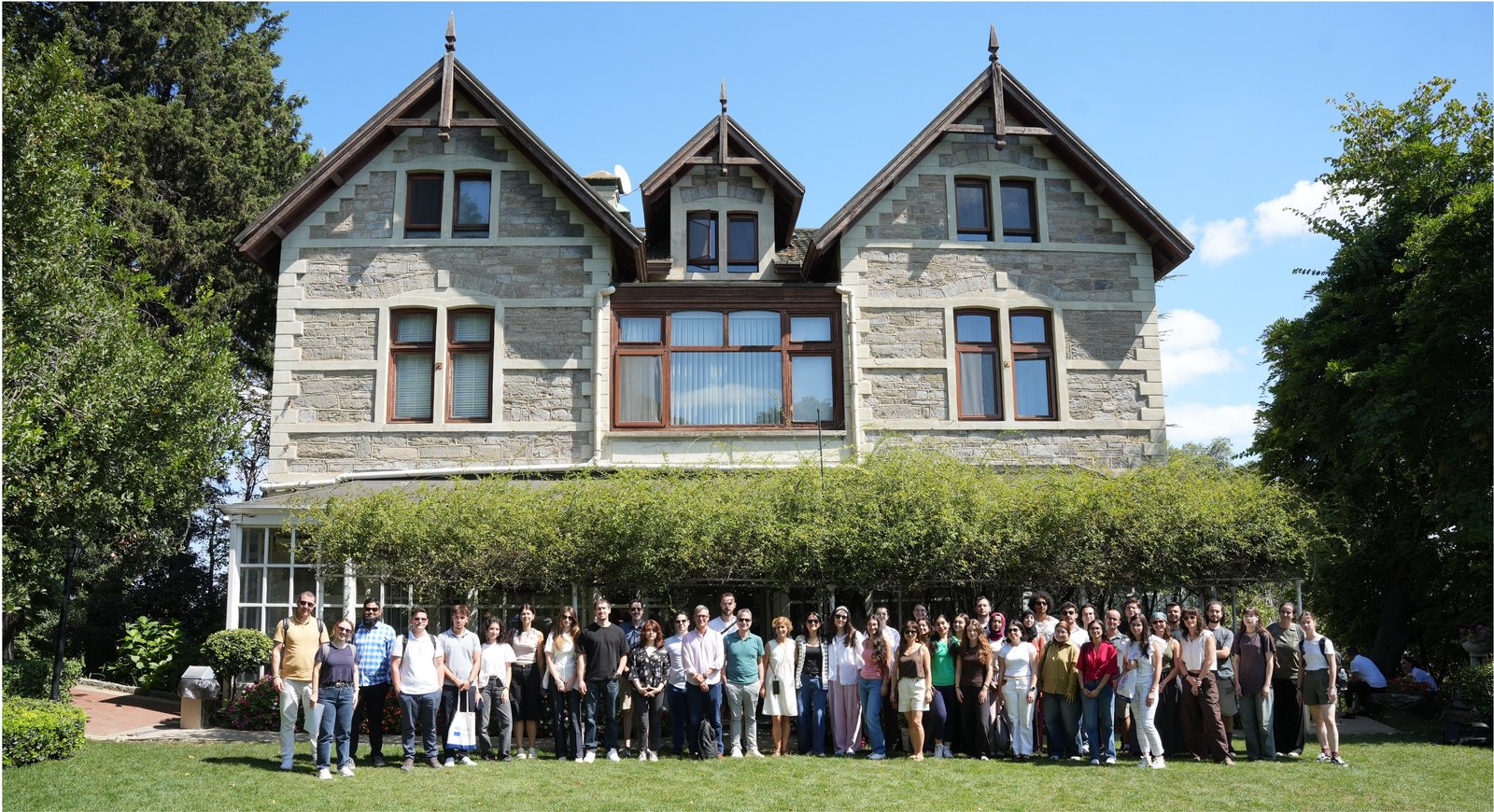
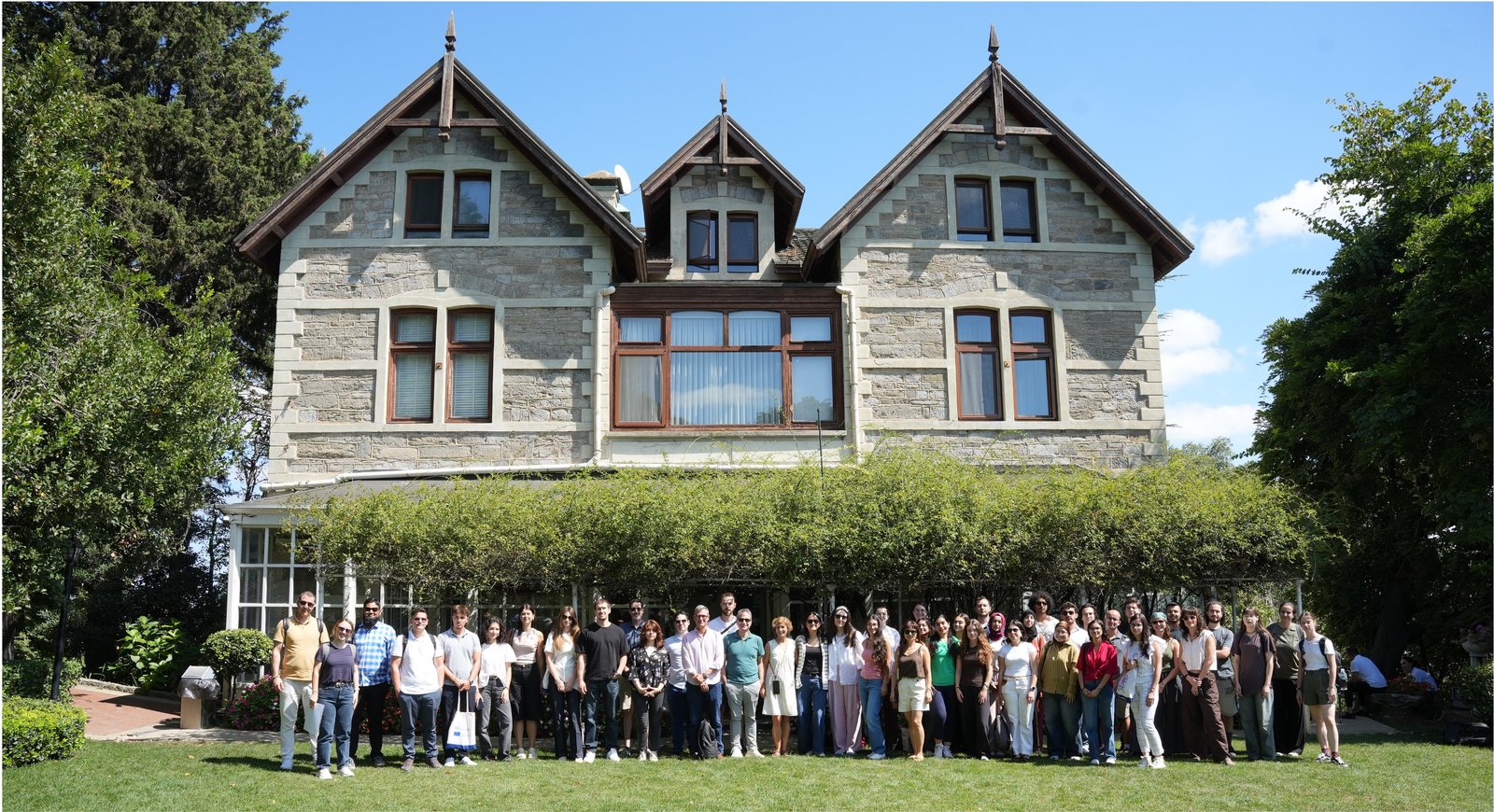
NeurotechEU Blended Intensive Program Addressed Robotic Rehabilitation and Brain-Computer Interface Applications

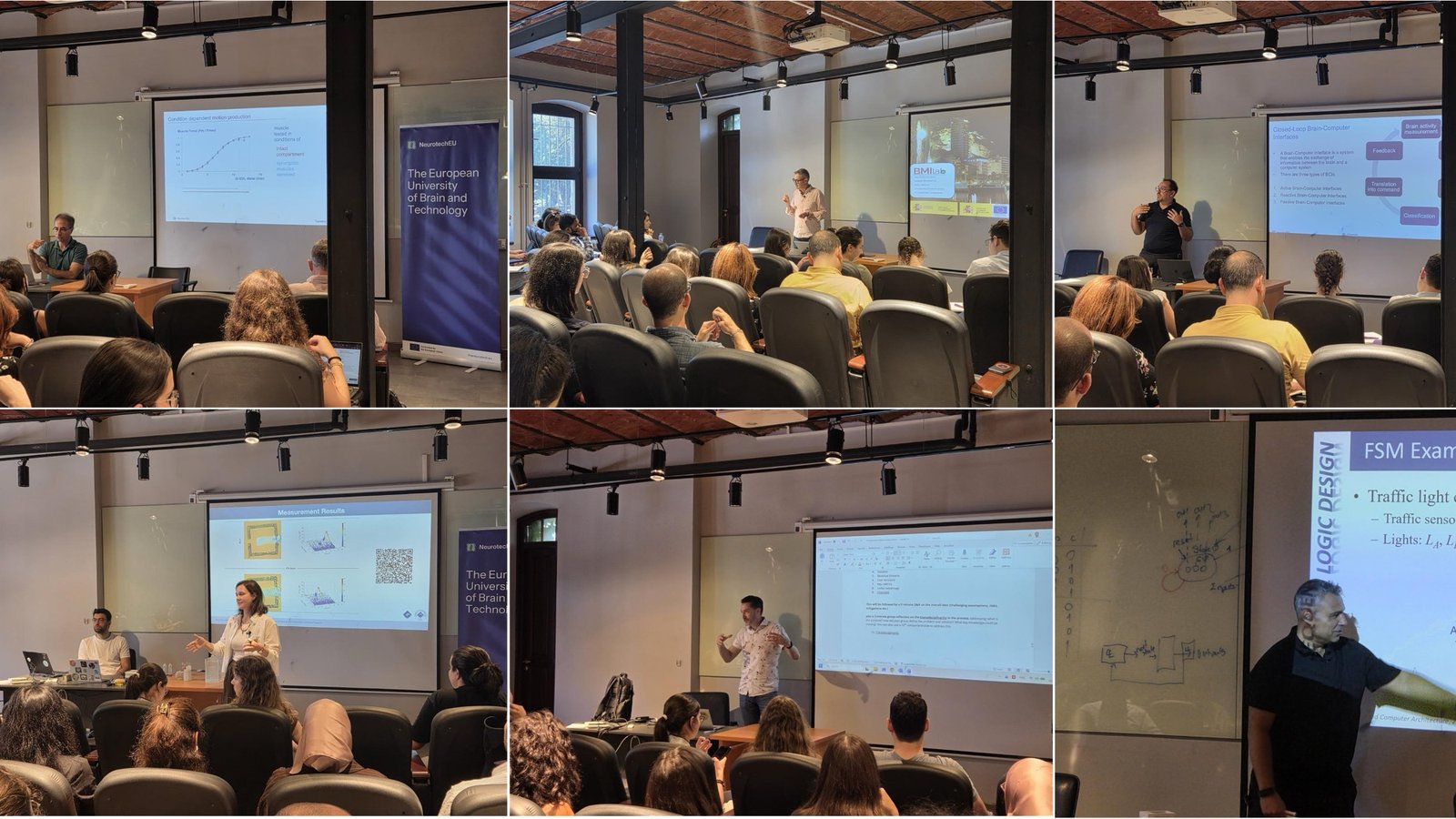
The programme, starting with the online phase from August 24 to 28, held its physical phase at Boğaziçi University in Istanbul from August 31 to September 4, 2026. Three core dimensions of neurotechnology were covered during these two weeks: neuromorphic control/neurorobotics, neuroprosthetics, and clinical neurotechnology. Students received lectures on musculoskeletal biomechanics, mobile robotics, wireless sensors, medical soft robots, exoskeletons, and brain-computer interfaces, as well as transdisciplinary work, entrepreneurship, and translational innovation.
During the physical phase, the programme was enriched with courses and hands-on workshops focused on translational innovation, entrepreneurial training as well as hands-on experience about the applied aspects of the technologies addressed in the lectures.
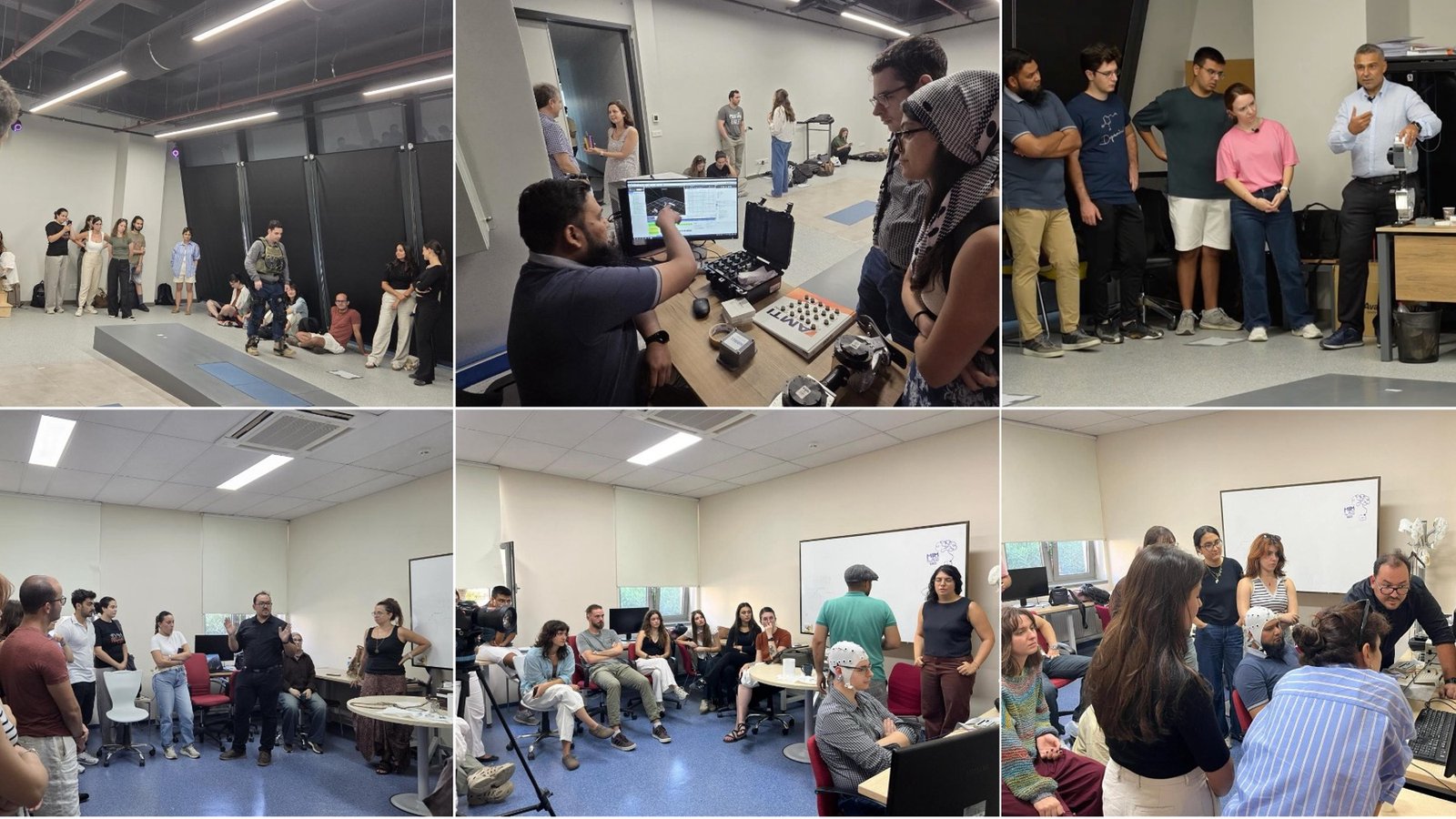
On the third day, the programme moved from the classroom to the laboratories. Students participated in the testing of robotic rehabilitation device prototypes such as a powered ankle prosthesis, a multi-sensor support system, a novel wireless wearable sensor, and a passive exoskeleton in the research infrastructure MADE in NTSP, which is a NATO-DIANA program test center. Later in the day, they had the opportunity to experience brain-computer interface applications firsthand at MIMLAB, which is a part of the Institute of Biomedical Engineering.
In the wrap-up panel “Future’s Innovators Meet Today’s Experts”, students working in groups identified a real-world problem in the research, clinical, or consumer markets related to robotic rehabilitation and brain-computer interface applications, and presented proposed solutions to address it with the transdisciplinarty dimension also discussed. During this panel, the proposed solutions were discussed, insights gained from the programme were shared, and future directions and professional development were reviewed.
Combining academic knowledge regarding robotic rehabilitation and brain-computer interface applications with an entrepreneurial perspective, the Blended Intensive Programme offered participants an opportunity to learn beyond the boundaries of their own disciplines and institutions, and to experience transforming neurotechnology research into solutions for real-world needs.