The European Master in Neurotechnology

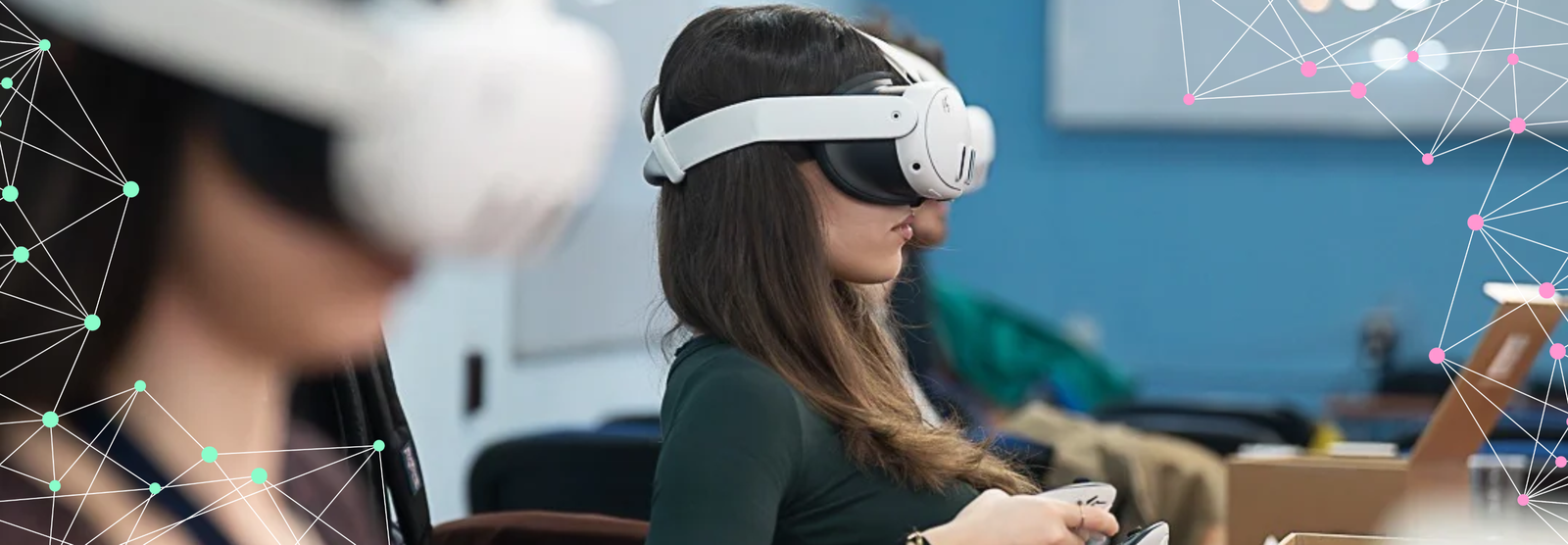
EMN illustration

The European Master in Neurotechnology (EMN)

Start your journey towards becoming a leader in the next generation of neurotechnology


Step into the future of neurotechnology

Step into the future with the European Master in Neurotechnology (EMN), where some of today’s most pressing challenges meet cutting-edge innovation. As brain disorders become the leading cause of disability worldwide, the need for bold, interdisciplinary solutions has never been greater. At the same time, breakthroughs in neuroscience, artificial intelligence, neuroimaging, and advanced computing are revolutionising how we understand and interact with the human brain. 

This programme places you at the heart of this transformation. Within EMN, you will gain the interdisciplinary skills to contribute to the development of next-generation technologies, from brain-computer interfaces to clinical neurotechnology solutions. You will also learn to analyse complex neural data and address the ethical and societal implications of these advances.

By the end of the programme, you will be prepared for careers in academia, industry, healthcare innovation, and entrepreneurship. Beyond technical competencies, the EMN fosters critical thinking, ethical awareness, teamwork, and leadership, positioning students to become responsible innovators in a rapidly evolving field.

Join a new generation of forward-thinking professionals ready to shape the future of healthcare, research, and innovation across Europe and beyond. Through interdisciplinary learning and collaboration, you will develop the knowledge and expertise needed to tackle complex challenges at the intersection of neuroscience, medicine, engineering, and data science.

The European Master in Neurotechnology is built on four core domains that together give you a uniquely comprehensive and interdisciplinary profile: Brain Systems, Clinical domain, Technology and Computation. What makes this programme truly distinctive is the integration of ELSA (Ethical, Legal and Societal Aspects) throughout your studies. 

Quick facts about the programme

Duration

2 years

Credits

120 ECTS

Language

English

Start date

September 2027

(annual intake)

Degree type

Joint Master’s Degree

Why study the European Master of Technology?

Address real-world challenges

Address real-world challenges

Address real-world challenges

Develop solutions for neurological and psychiatric disorders.
Learn across disciplines

Learn across disciplines

Learn across disciplines

Combine neuroscience, engineering, data science, and clinical knowledge.
Build an international profile

Build an international profile

Build an international profile

Study across leading European universities and collaborate with experts from multiple fields.
The programme at a glance

The four core domains and ELSA

Anatomical and physiological foundations of brain function — from molecular and cellular mechanisms to systems-level organisation. The scientific basis for modelling, interfacing with, and repairing neural processes.


Neurological, neurodevelopmental and psychiatric disorders, their treatment through neurotechnology, and translation into diagnostic, therapeutic and rehabilitative applications.. 

Neural recording and stimulation hardware — engineering of devices, sensors, stimulation methods and brain–machine interfaces that enable interaction with neural systems.

Neural data analysis and brain modelling - data science, machine learning and programming. Bridges neuroscience and AI, equipping students to handle complex datasets and develop predictive models.

Ethical, Legal and Societal Aspects (ELSA) are integrated throughout the programme. 

Advanced domain specialisations

Each partner university offers two advanced domains. The domains you will study in Year 1, Semester 2 are determined by the university where you start the European Master in Neurotechnology.

During Year 2, Semester 1, you will complete a third advanced domain at another partner university, choosing a domain that you have not previously studied.

  • Radboud University: Clinical and Technology 
  • Universidad Miguel Hernández de Elche: Brain and Technology
  • Rheinische Friedrich-Wilhelms-Universität Bonn: Brain and Computation
  • Boğaziçi Üniversitesi: Clinical and Computation
  • Universitatea de Medicină și Farmacie din Cluj-Napoca: Clinical and Technology
  • Université de Lille: Clinical and Computation
  • Háskólinn í Reykjavík: Brain and Computation 

Study journey

How to apply

Application and admission

All applications are submitted through the central online application portal that will open January 2027.

All applications are submitted through the central online application portal, where you will be guided through the process step by step.

As part of your application, you will:

  • Select your preferred home institution
  • Indicate your interests in different study domains
  • Express your preferences regarding mobility opportunities

Following an initial eligibility review, shortlisted candidates will be invited to an online interview. The interview assesses your motivation, academic potential, and ability to work across disciplines.

Once admitted, you will enrol at your chosen home institution and begin your journey in this unique European programme, combining international mobility, interdisciplinary learning, and real-world impact.

Applicants must hold, or be in the final year of, a relevant Bachelor's degree (minimum 180 ECTS) in a field related to neurotechnology, including:

  • Biology
  • Biomedical Technology
  • Cognitive Science
  • Informatics
  • Artificial Intelligence
  • Neuroscience and Medical Sciences
  • Computer Science
  • Engineering
  • Robotics
  • Psychology
  • Physics
  • Mathematics

View the full eligibility requirements and application procedures in the portal when accessible.

Before applying, make sure you have prepared all required supporting documents.

Application period

1 January – 31 March

Admission and selection decision

30 April

Radboud University

31 August

Miguel Hernández University of Elche

19 June

Universities of Bonn, Boğaziçi, Iuliu Hațieganu and Lille

1 October

Reykjavík University

1 July
(30 April for applicants from non-EU/EEA countries)

Welcome to start your NeurotechEU journey!

The European Master in Neurotechnology brings together leading universities, international mobility, and interdisciplinary education to prepare the next generation of neurotechnology professionals. If you are ready to contribute to the future of neuroscience, healthcare, and innovation, we encourage you to apply. Read more on the portal.