NeurotechEU Summer School Brings Together Students Across Europe to Translate Science into Practice
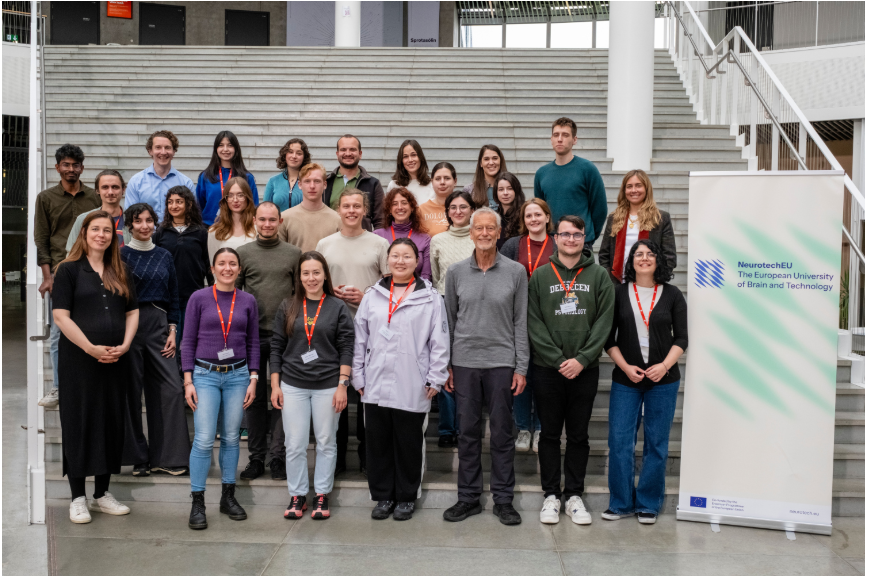
The programme brought together 26 Master's and Doctoral students from NeurotechEU partner universities. Through the alliance, students and staff have the opportunity to collaborate across institutions, disciplines and countries, gaining valuable international experience while addressing challenges at the intersection of neuroscience, psychology, engineering and health technology.
Blended Intensive Programmes combine online learning with a short period of in-person mobility, allowing participants to benefit from both flexible digital learning and hands-on international collaboration. As part of NeurotechEU's educational offer, these programmes provide innovative learning opportunities that connect students with peers and experts from across Europe.
“The number of participants exceeded our highest expectations. The entire event ran smoothly, and the whole team involved did an excellent job. We look forward to welcoming more students in the future through Blended Intensive Programmes,” said Guðlaug Matthildur Jakobsdóttir, Director of the International Office at Reykjavík University.
The course was designed for Master's and Doctoral students in Psychology, Neuroscience, Health Technology and Biomedical Engineering. It introduced participants to applied psychophysiology, with a particular focus on heart rate variability (HRV) self-regulation and biofeedback, combining theoretical knowledge with practical application.

“Working with the group on-site was truly amazing. Having organised the course around teams from the start meant that students arrived in Reykjavík already knowing each other, and that made all the difference. Seeing them end the week by designing, running and analysing their own experiments, integrating knowledge from psychology, neuroscience and engineering, was a perfect reflection of what this programme is all about: learning across disciplines and translating knowledge into practice,” said Dr Sigrún Þóra Sveinsdóttir.
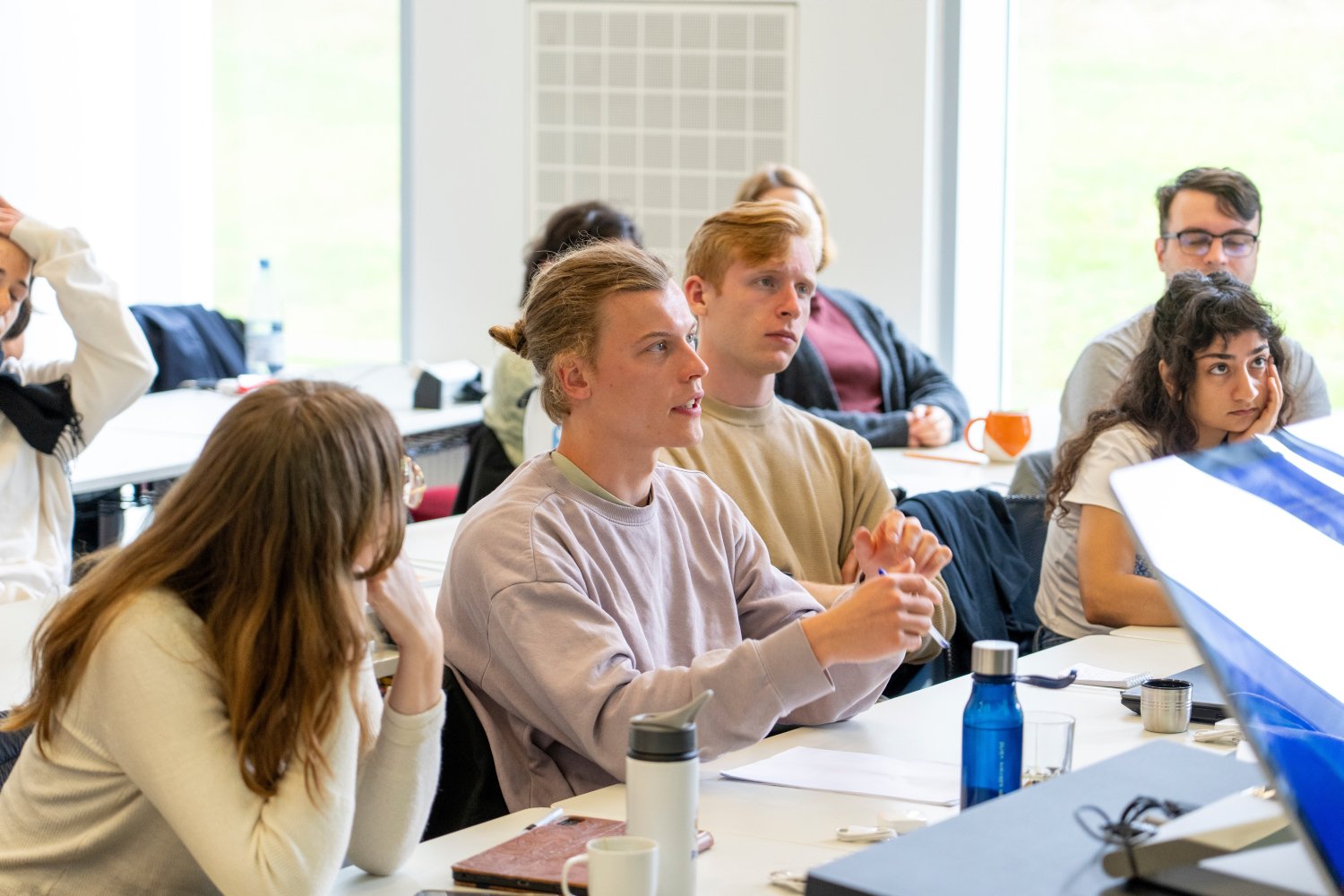
The programme began online in mid-May with orientation sessions, foundational concepts, team formation and interactive group learning activities. During the on-site week in Reykjavík, participants engaged in HRV laboratory work, collaborative team experiments and expert-led sessions on neurofeedback and practical applications. The final online phase focuses on data analysis, report writing and student presentations, culminating in an integration session designed to consolidate learning outcomes.

The summer school reflects NeurotechEU's commitment to providing innovative, interdisciplinary and internationally connected learning experiences. By bringing together students and staff from across the alliance, programmes such as this help prepare the next generation of researchers and professionals to work across disciplines and transform scientific knowledge into real-world impact.