
From Brain Research to Real-World Impact: Insights from the Neuroinnovation Summit
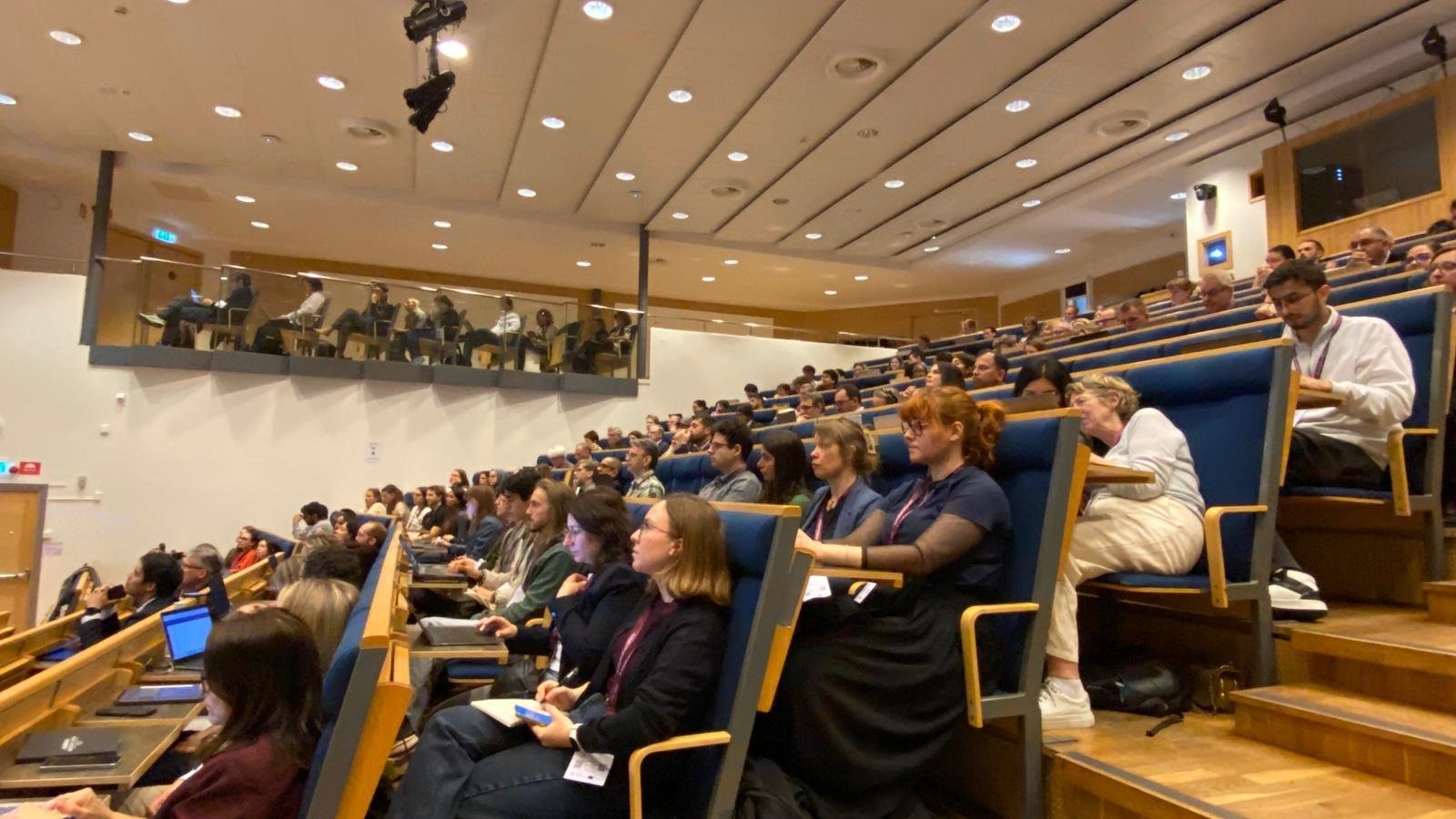
While new technologies are reshaping how we understand the world around us, as a society we need to know how to integrate the newest neurotechnologies into healthcare services nd how to leverage the advantages and opportunities when commercializing pathways for research innovations. In order to explore those, the European University of Brain and Technology –NeurotechEU, organized a Neuroinnovation Summit hosted by Karolinska Institutet (KI), a meeting between May 11–12 that brought together the NeurotechEU community to discuss how neurotechnologies are already being used in research, clinical services, and entrepreneur environments.
Understanding schizophrenia: synapse loss and brain imaging
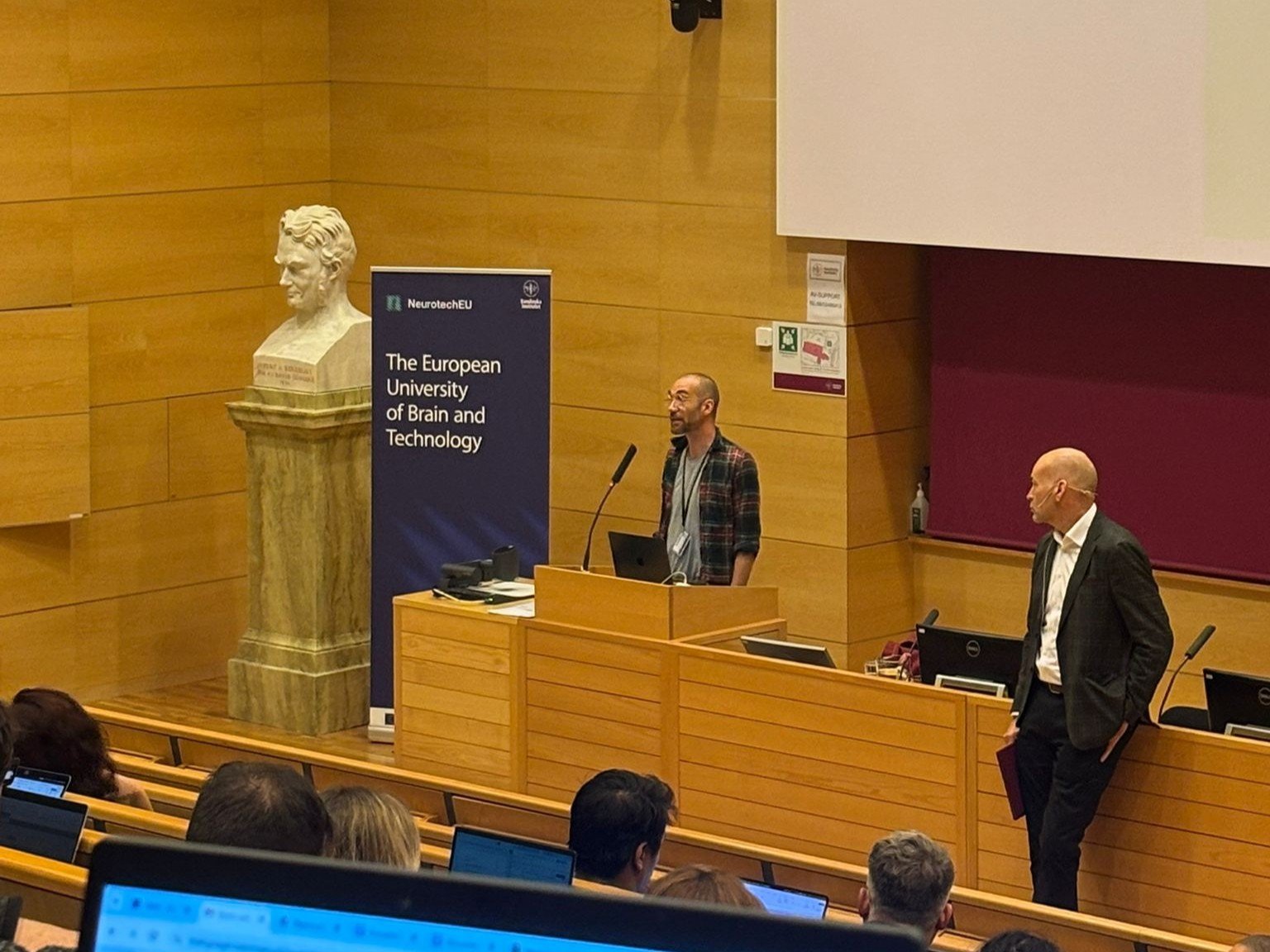 Moderated by the academic vice president at KI, Robert Harris, the summit started with Assistant Professor Carl Sellgren from the Department of Physiology and Pharmacology at KI, whose research focuses on synapse loss during schizophrenic episodes. Evidence from post-mortem studies describes reduced synaptic density, particularly in the frontal cortex, and Sellgren explained how modern neuroimaging techniques such as Positron Emission Tomography (PET) have helped to confirm that this loss occurs early, even during the first psychotic episode. Once knowing that, Sellgren asked: “Why do patients with schizophrenia lose synapses?” His research suggests that excessive synaptic pruning, driven by resident brain cells - microglia, underlies this process. First using patient-derived cells and then after further technical development, brain organoids, his team demonstrated increased microglial uptake of synapses in cells derived from schizophrenia patients. Genetic factors, especially complement component C4A, appear to enhance synaptic targeting, while altered synaptic activity may further increase vulnerability, highlighting disrupted synapse regulation as a core disease mechanism.
EdTech innovation: improving reading through eye-tracking
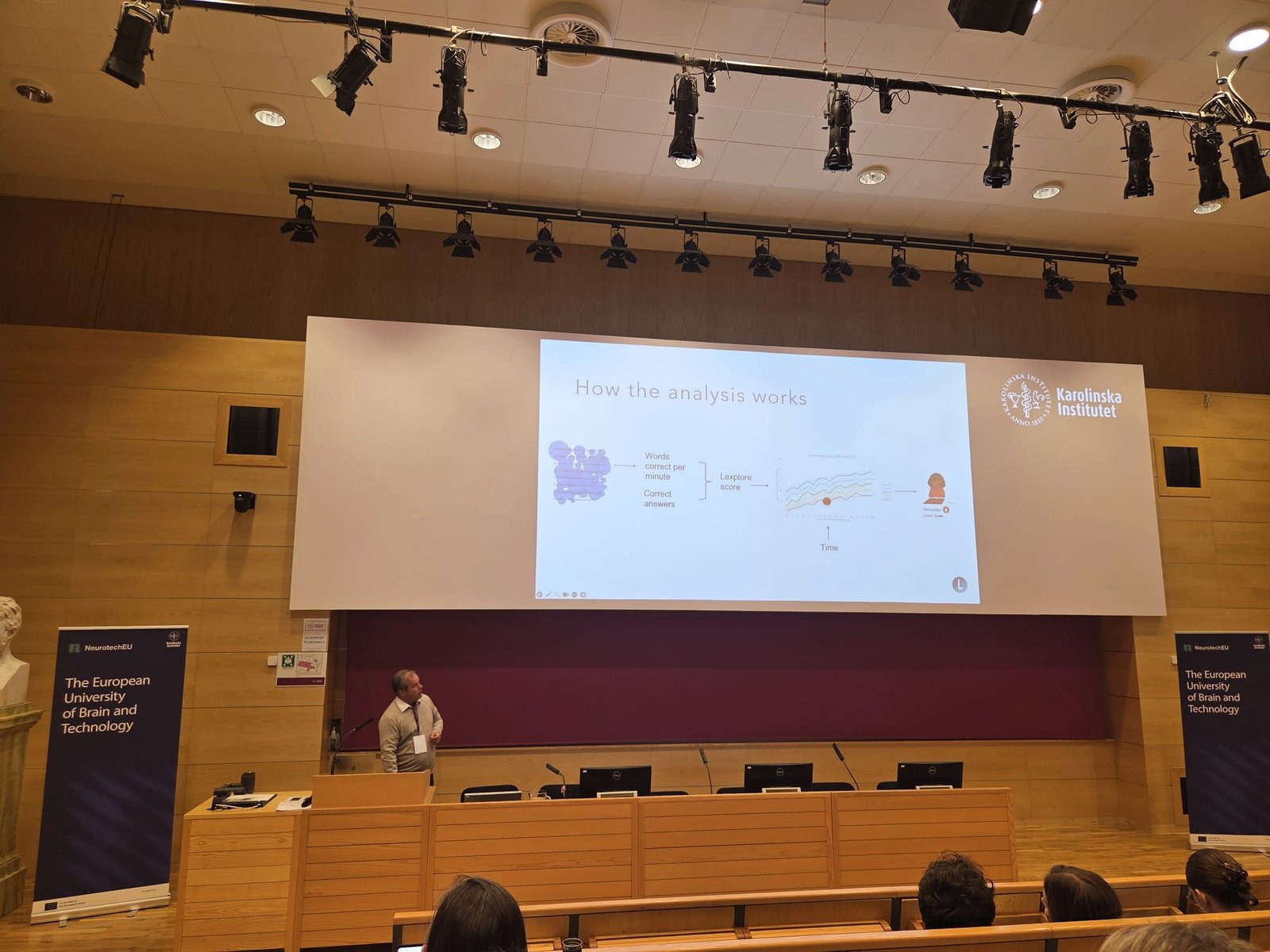 Gustaf Öqvist from the Department of Clinical Neuroscience at KI, presented Lexplore a startup company aiming to support teachers and to help students feeling motivated by systematically monitoring reading progression. As Öqvist explained, Lexplore’s approach is based on the use of eye-tracking technology and machine learning to analyse how a student reads and when they pause to process information. This enables the researchers to detect any sort of difficulty with cognitive processing during reading. Once the data have been collected, it can be used to support systematic reading development through repeated assessment, planning, intervention, reading recommendations and review cycles. Öqvist’s team’s work is being introduced into schools within Sweden and demonstrates how research findings can translate into impactful improvements for society.
Beyond academia: expanding career pathways
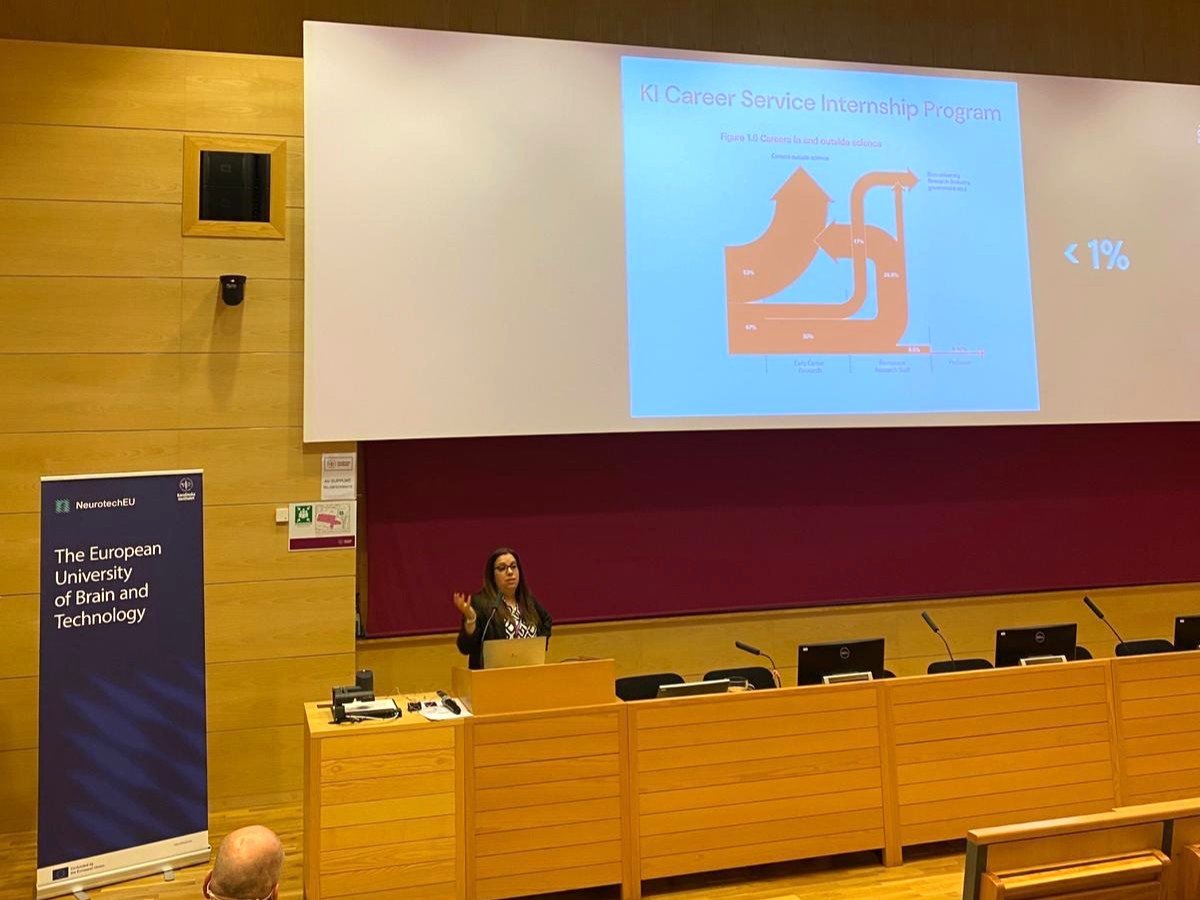 However, students need to know that there are many different options when choosing what career paths to follow, and the Career coordinator of the Internship Program at KI, Ana Osório, presented the different opportunities and tools that doctoral students, postdocs, and early career researchers have outside of the academic environment. The portfolio of the companies includes ranges from startups to established companies from the fields of life science, consultancy and tech companies. Osório explained her own example as a researcher who is no longer only dedicated to academia, dedicating 20% of her time at BrainZell, a company started by KI researchers. that has a platform of human cortical models from human samples. BrainZell has developed a high-throughput human brain organoid platform that combines high throughput with advanced modelling for drug discovery.
Why entrepreneurship matters for doctoral researchers
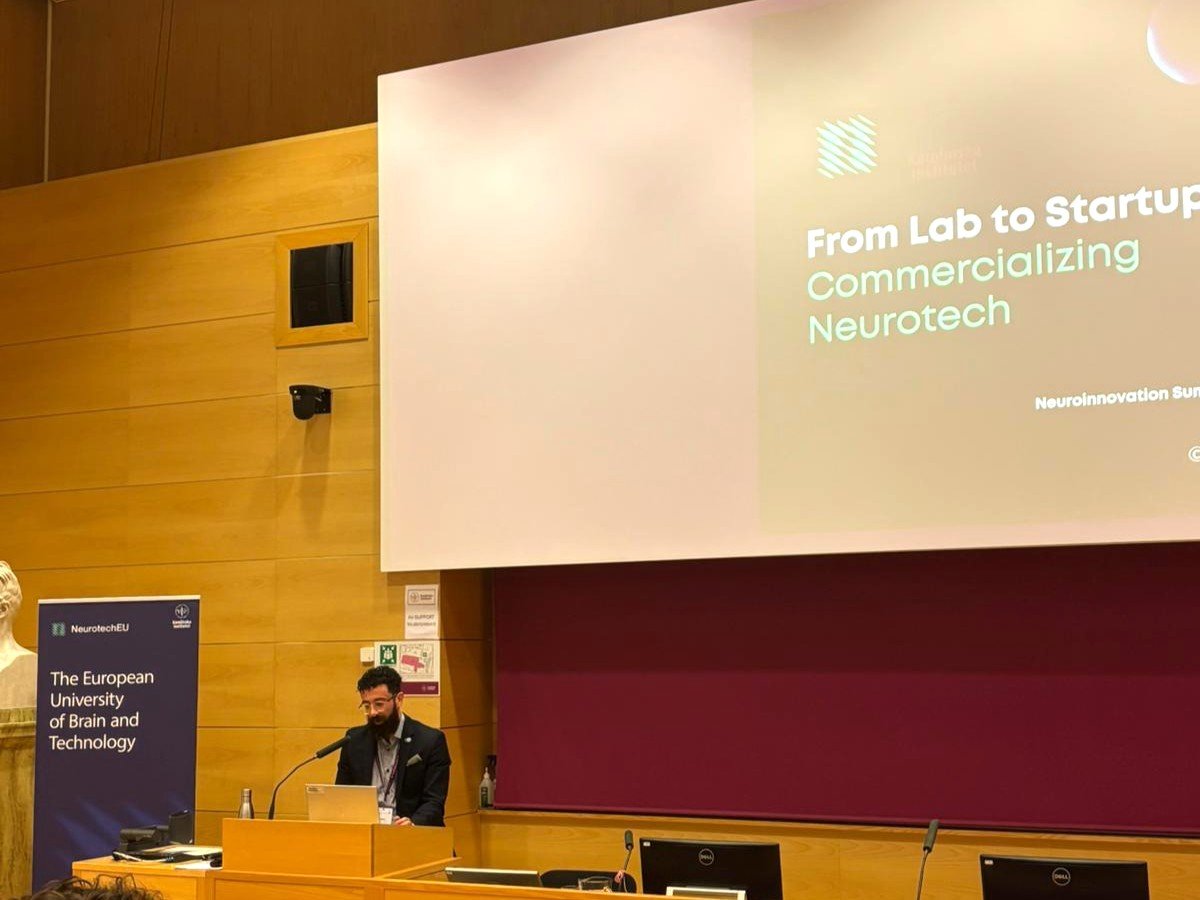 Why is it important to understand the principles of entrepreneurism as a doctoral researcher? Professor Bardia Bijani at the College of Saint Benedict and Saint John's University, and co-founder and managing partner of the FuzeQube Group addressed this question. According to Bijani, the commercialization of neurotechnology offers significant benefits for doctoral researchers by opening up new opportunities. Seeking translational exposure early allows students to understand how research can move beyond the laboratory and generate societal and economic impact. Moreover, gaining familiarity with intellectual property basics, venture building, regulatory frameworks, and industry engagement prepares them for diverse career trajectories, bridging the gap between academia and the private sector while fostering innovation and employability.
Big data in neuroscience: the role of EBRAINS
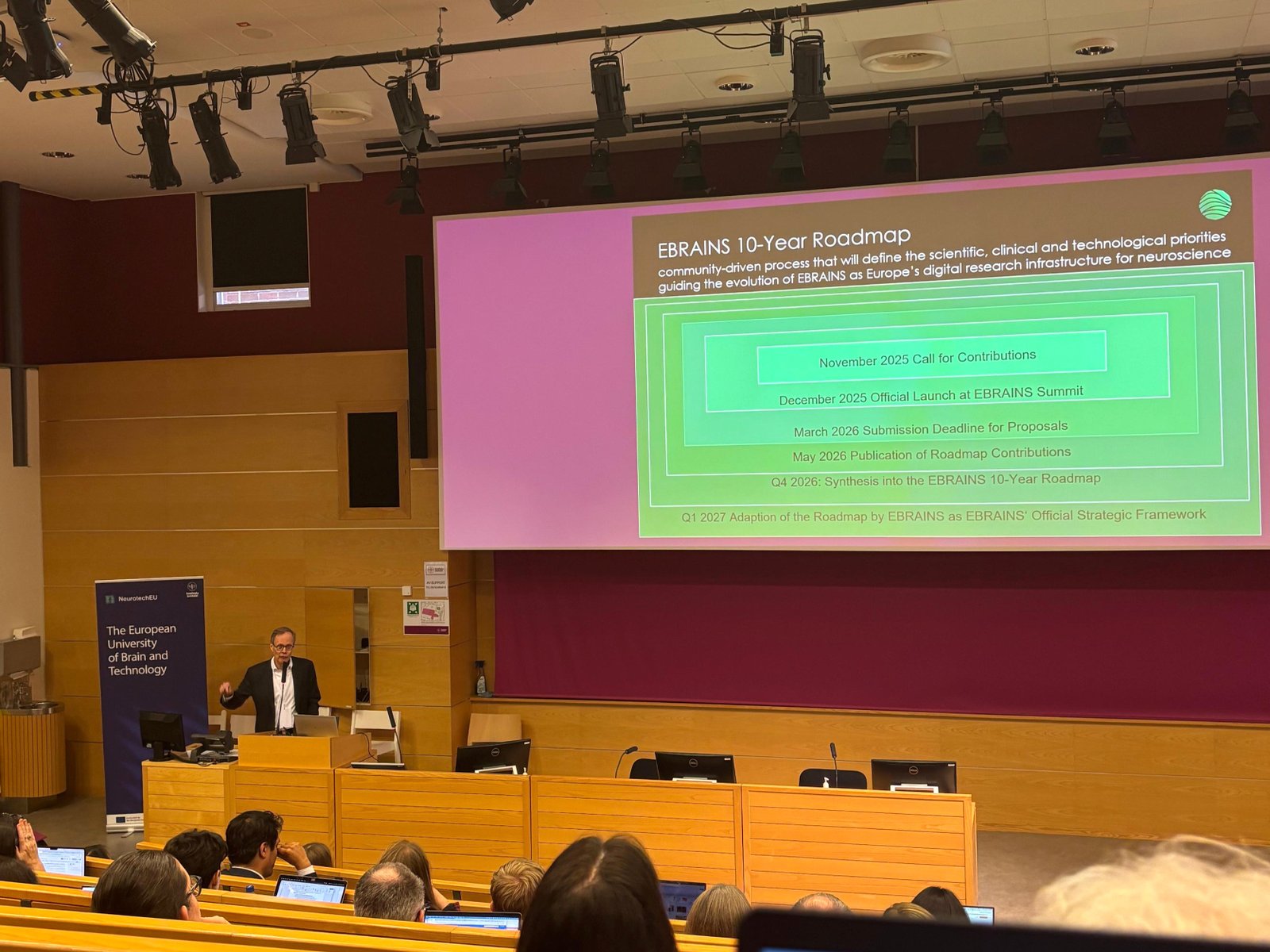 Professor Jan G. Bjaali, the Chief Data and Knowledge Officer at EBRAINS, highlighted how contemporary brain research relies on multidisciplinary collaboration, large-scale data sharing and integration, and advanced computational tools. EBRAINS is an open research infrastructure that provides data, tools and services for brain-related research from the molecular and cellular levels to the whole organ. Bjaali explained EBRAINS as a brain atlas which include detailed three-dimensional maps of the human, macaque, marmoset, rat, and mouse brains. These atlases were described as being similar to ‘Google Maps for the brain,’ allowing researchers to navigate brain structures across multiple species. Bjaalie emphasised the importance of standardisation, data curation, and secure handling of sensitive information in this endeavour.
Rethinking education: entrepreneurship in training
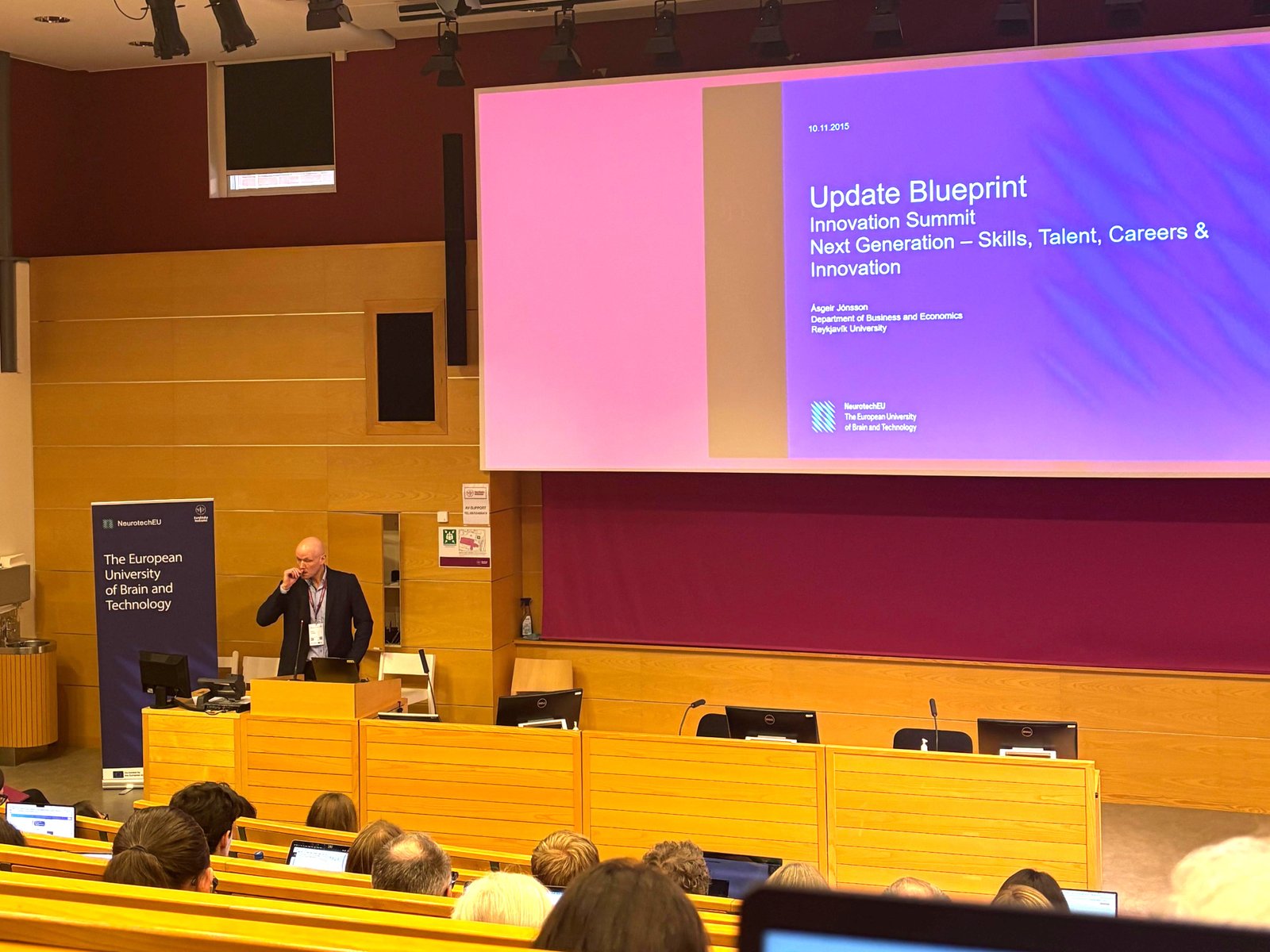 As new understanding is required within modern academia, NeurotechEU already identified the need for new training formats in entrepreneurship and innovation during the first phase of the project. This is a project called Blueprint, and Ásgeir Jónsson, from the Department of Business and Economics at Reykjavík University, described it as a “method to make entrepreneurial education innovation more accessible.” As Jónsson added: “The European definition of an entrepreneur is a person who creates value or turns an idea into value, but not just financial value, also cultural, and societal value.” The NeurotechEU’s Blueprint cannot change the way of learning about entrepreneur skills, but proposes to incorporate them into every course or education program.
The future of neurosurgery: from invasive to precise
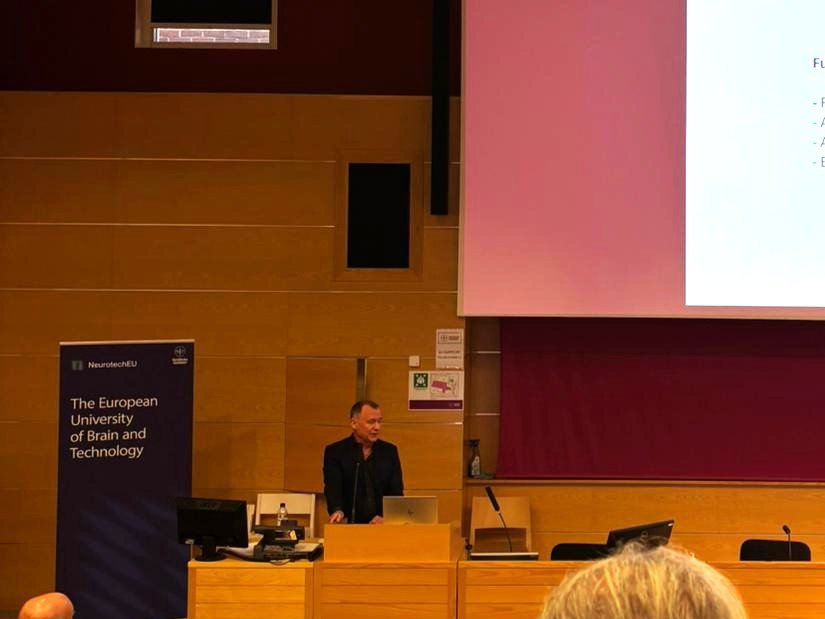 Finally, the Summit concluded with Professor Mikael Svensson from the Department of Clinical Neuroscience at KI, who offered a historical and translational overview of technological evolution of neurosurgery during the last century. Central to his argument was the shift from highly invasive and risky procedures to increasingly precise, minimally invasive techniques. Svensson also emphasised the growing importance of advanced neuroimaging and fluorescence-guided surgery in enhancing this precision. The lecture concluded by pointing towards future directions, including robotics, artificial intelligence and brain–machine interfaces as key drivers of further clinical progress.
The NeurotechEU Innovation Summit provided a program which epitomises what the alliance is trying to achieve, the spreading of good practices with regards to educational and technical development and highlighted how excellent research within neuroscience can lead to both commercialisation and significant impact in improving healthcare practices.