Brain Awareness Week 2026 across NeurotechEU: a collective commitment to making neuroscience accessible
From large-scale public outreach to highly specialised academic discussions, this year’s edition highlighted a common objective: making brain research understandable, tangible, and relevant to all audiences.
Engaging thousands, from classrooms to the general public
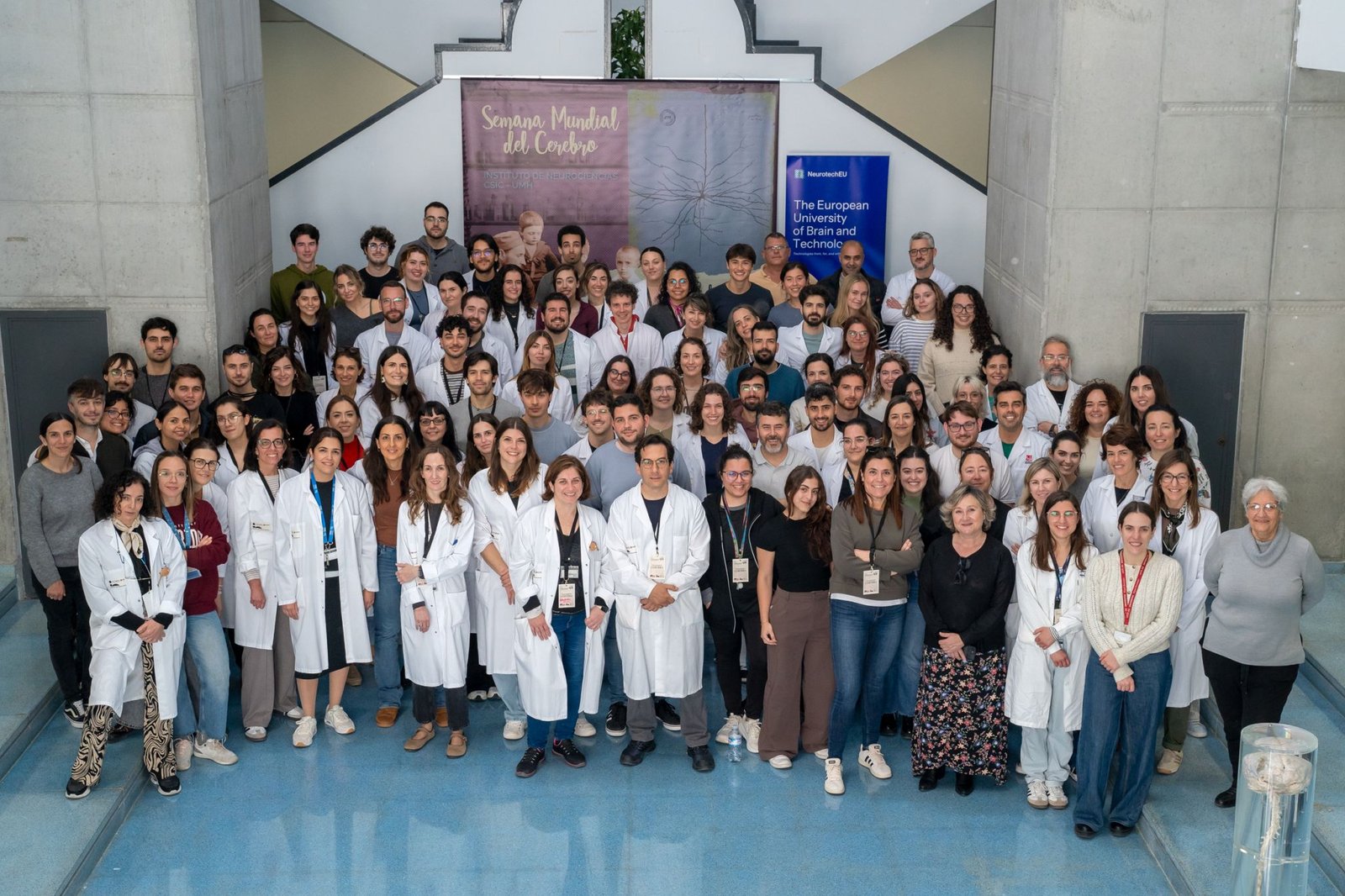
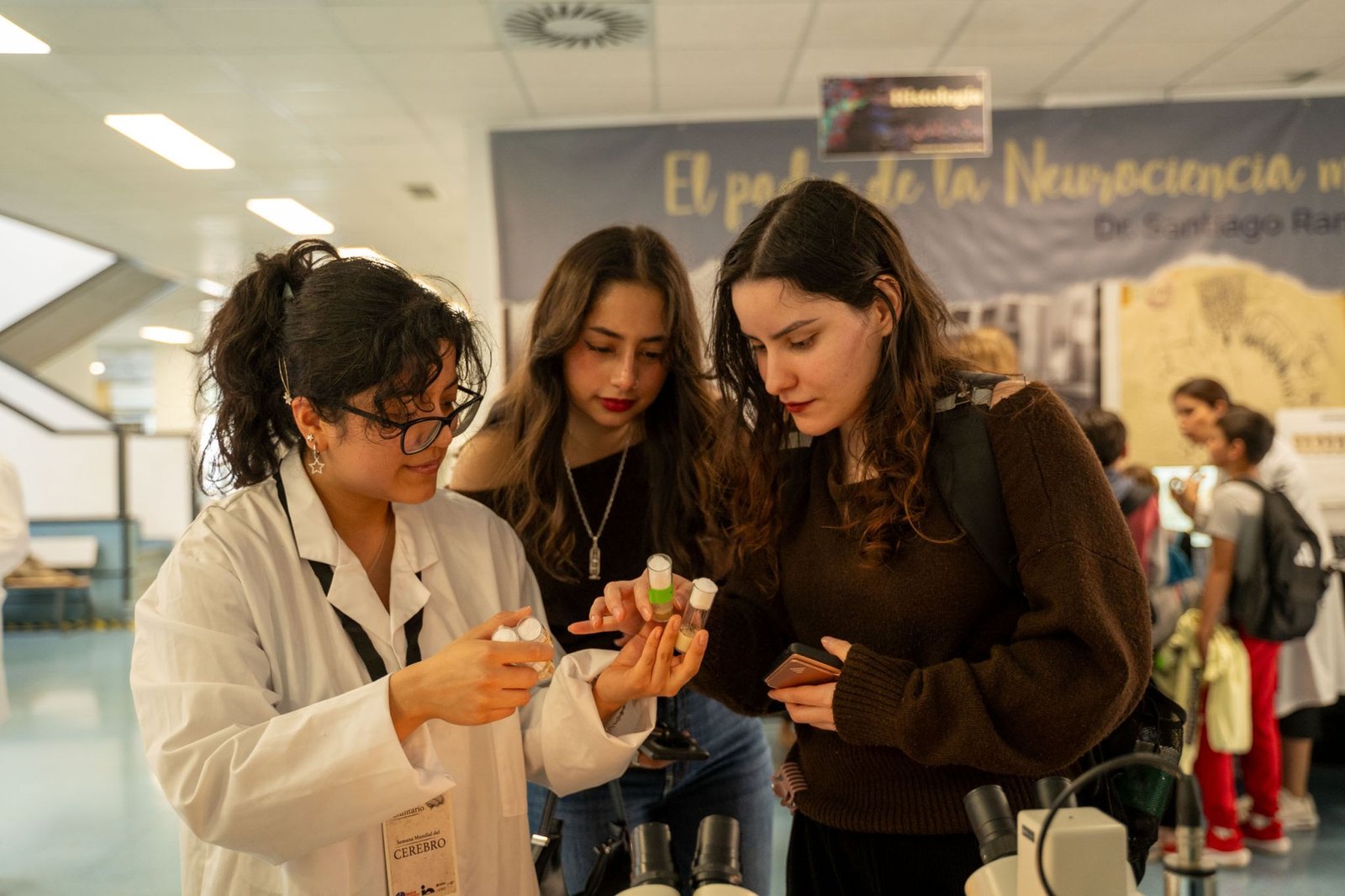
At the University Miguel Hernández of Elche (Spain), the Institute for Neurosciences hosted one of the largest initiatives within the alliance. Over 2,000 school students from across the Valencian Community visited the campus throughout the week, exploring neuroscience through interactive stands, workshops, and short talks. Topics ranged from genetics and neurodevelopment to sleep, memory, and the effects of drugs on the brain.
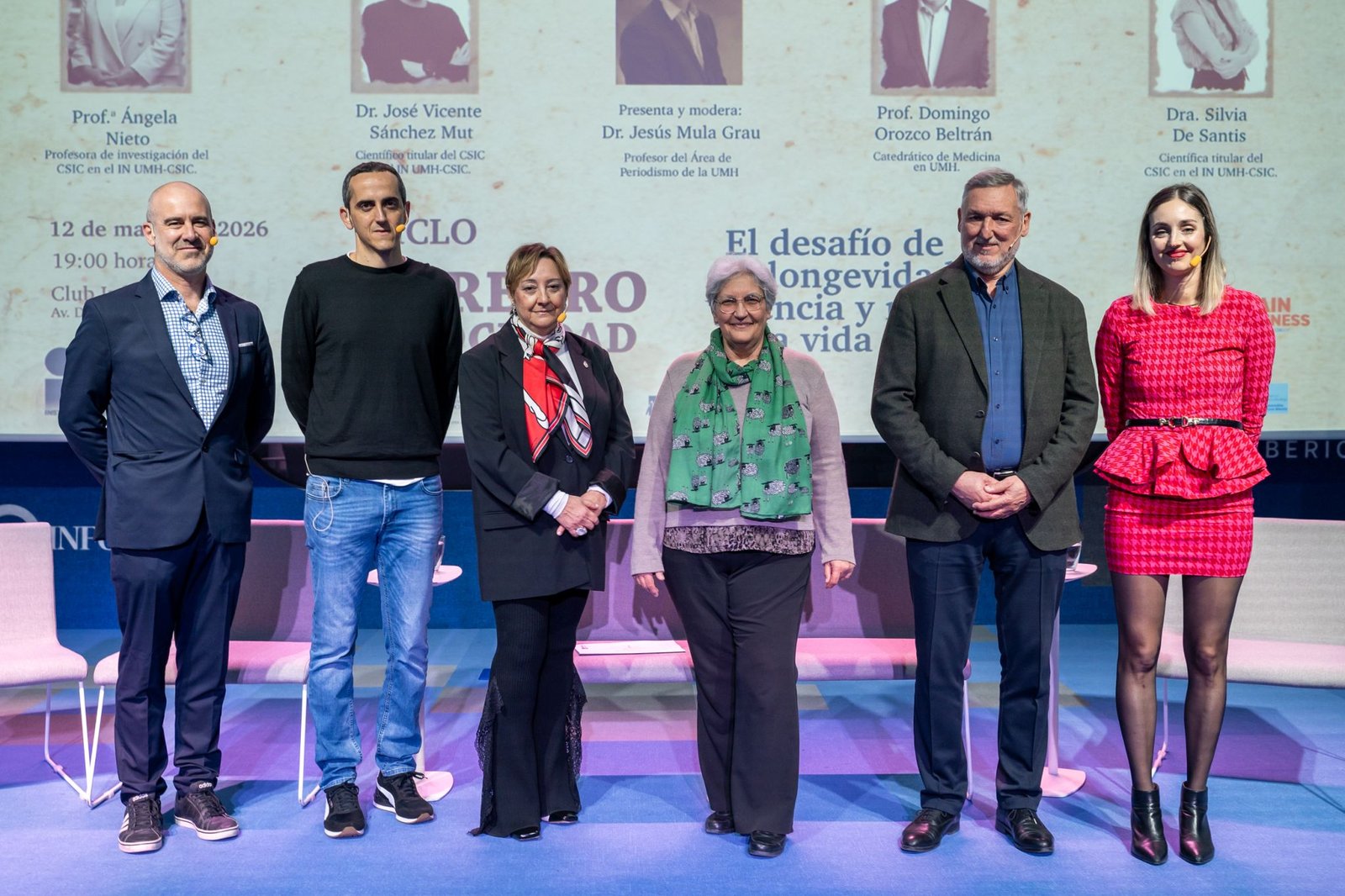
The program also opened to the general public, combining exhibitions, hands-on demonstrations, and a round table on longevity and the challenges of ageing societies. A strong emphasis was placed on electrophysiology and brain–computer interfaces, allowing visitors to directly engage with how the brain generates and transmits signals.
Immersive and interactive experiences
Radboud University (the Netherlands) offered a week-long festival format, combining science communication with immersive experiences. Events such as the Science Café explored how the brain encodes and decodes information, bridging neuroscience and artificial intelligence. A dedicated NeurotechEU Synapse event, “Seeing with phosphenes”, further deepened this exploration by introducing participants to visual neuroprosthetics, combining a lecture on artificial vision with a hands-on simulation of phosphene perception, offering insight into how brain–computer interfaces may restore sight for visually impaired individuals. The “ADHD Escape” game stood out as a particularly innovative approach, placing participants in a simulated environment designed to reproduce the sensory and cognitive experience of ADHD. This experiential format complemented more traditional activities such as the Donders Institute Open Day and the Dutch Brain Olympiad, where students tested their neuroscience knowledge.
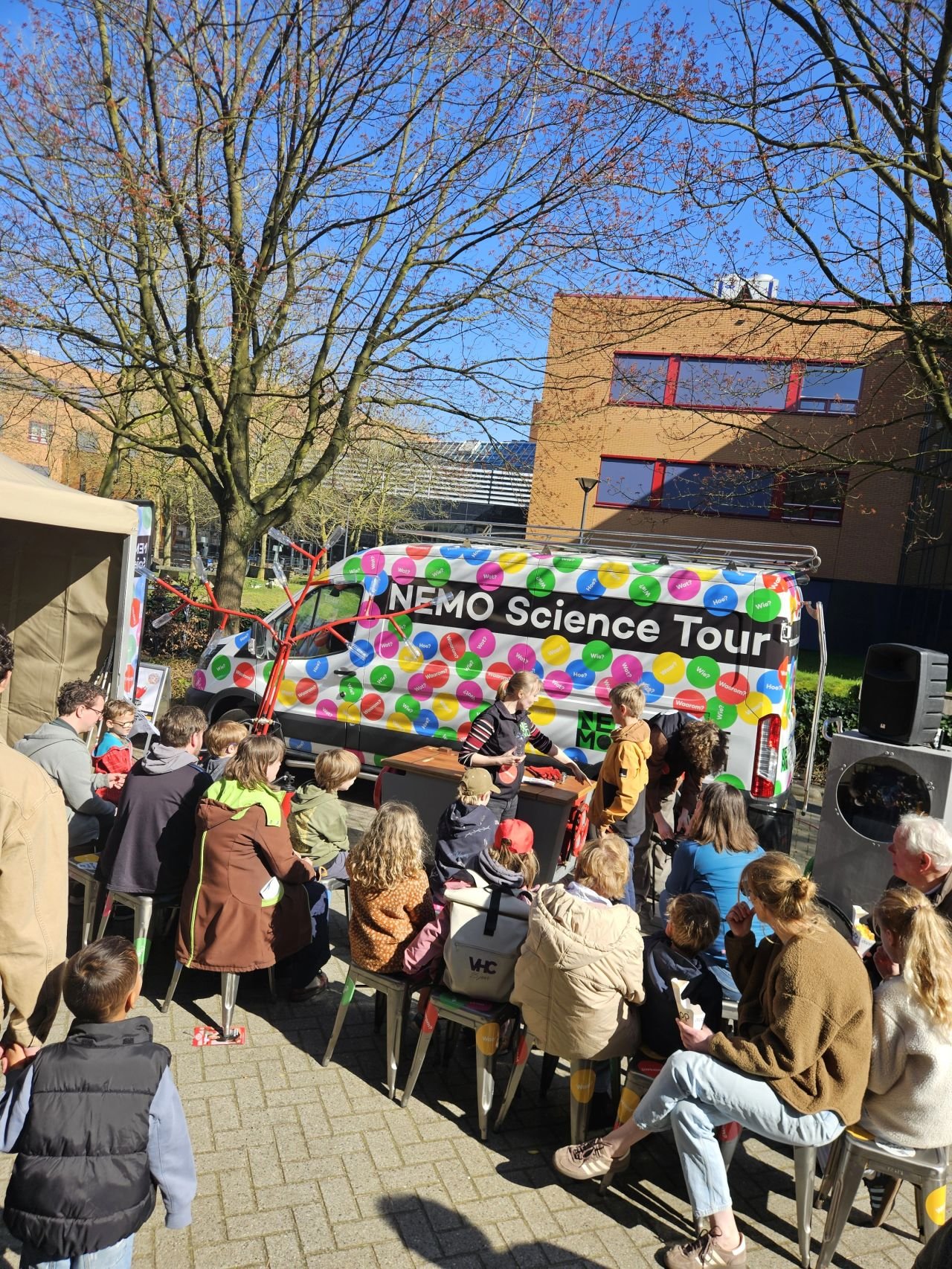
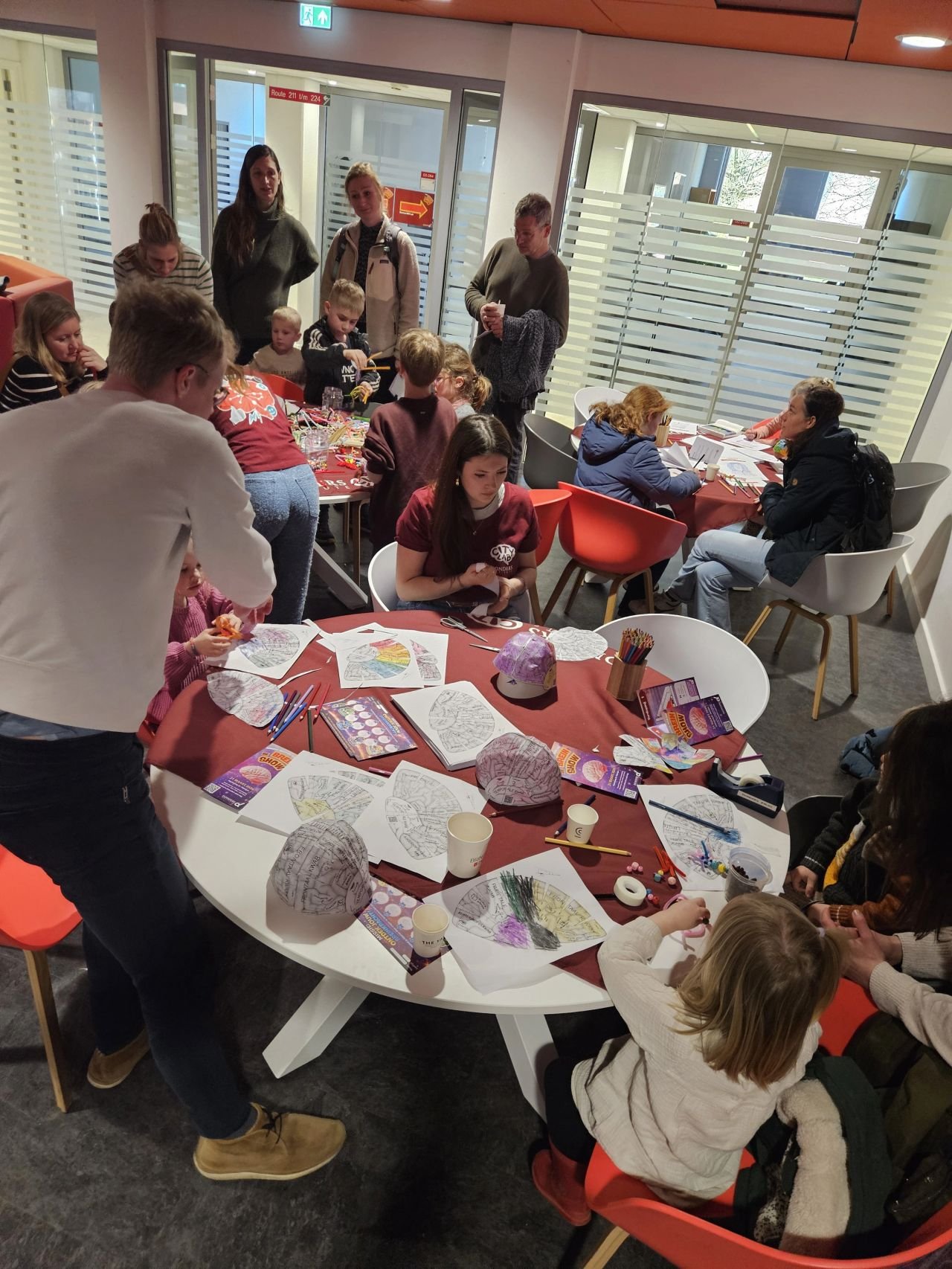
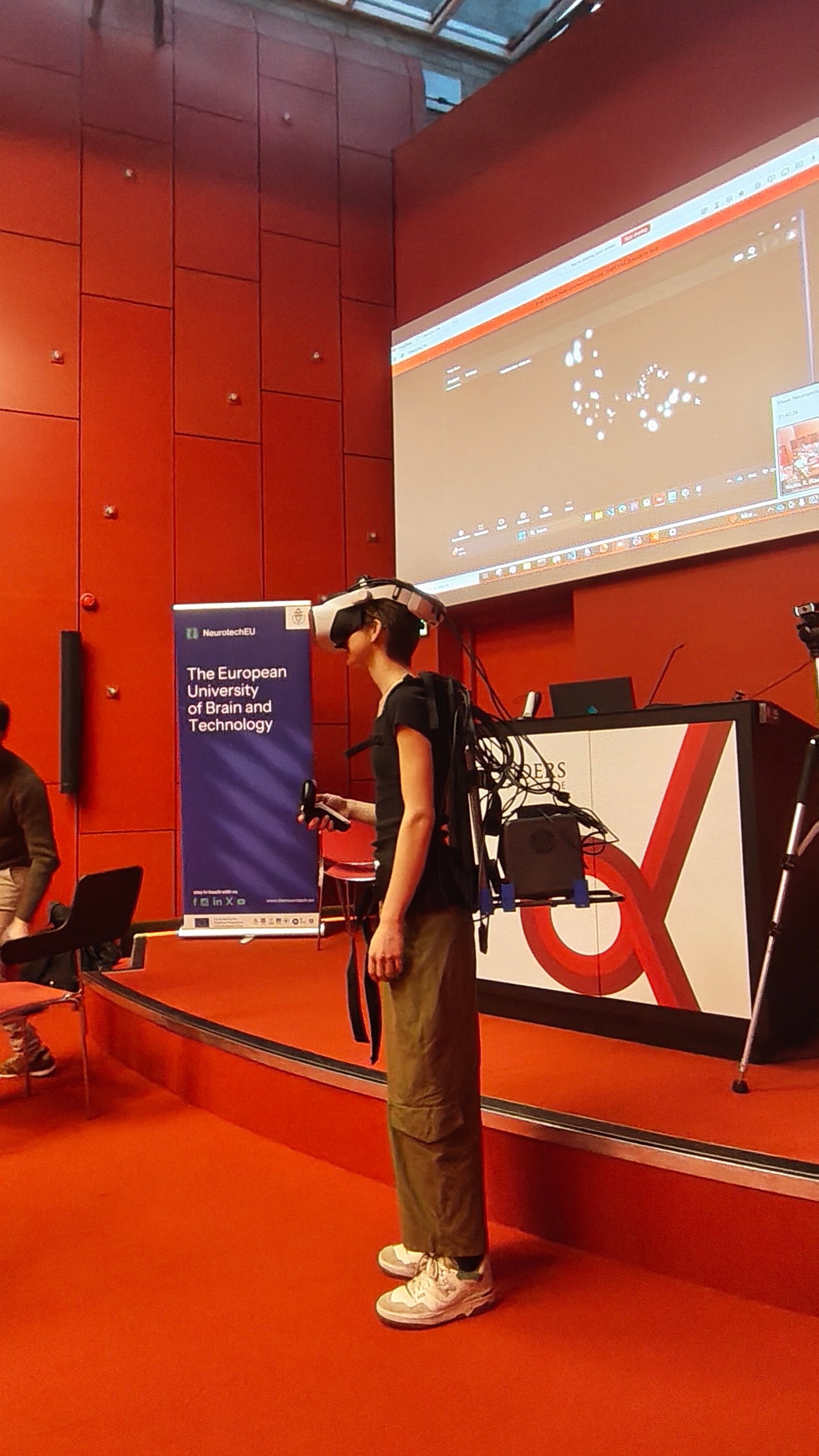
At Boğaziçi University (Turkey), student engagement was central. A poster exhibition transformed campus spaces into a “neuroscience corridor,” presenting topics from rare neurodegenerative diseases to broader brain health issues. Interactive sessions and the larger “Neuroscience Days” event, organised with the university’s Science Club, gathered hundreds of participants and fostered dialogue between disciplines.
Bridging science, health, and society
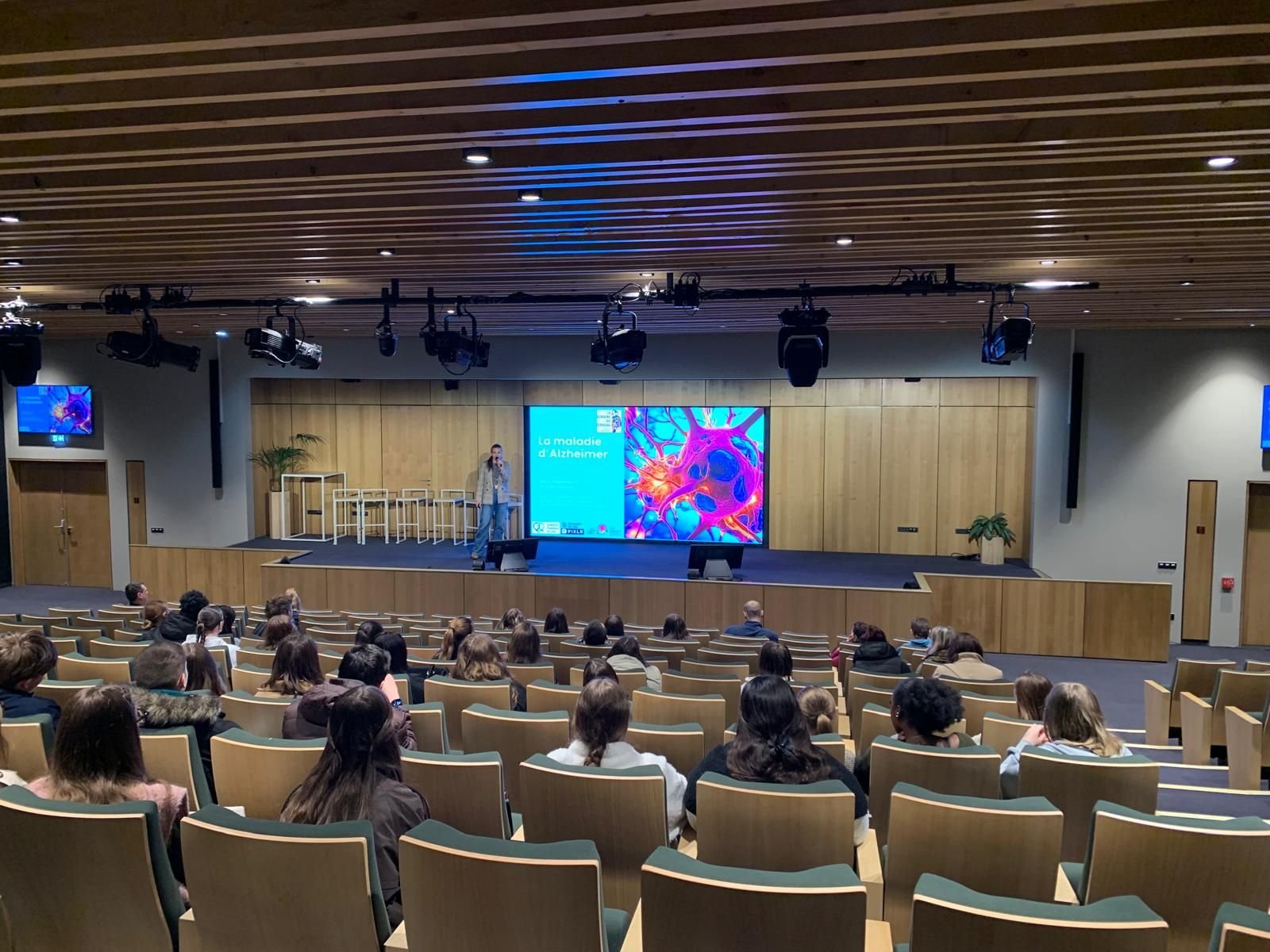
Several partners placed strong emphasis on the societal implications of neuroscience. At the University of Lille (France), the “Semaine du Cerveau” combined conferences, workshops, exhibitions, and even artistic performances.
Events were designed for multiple audiences, from school groups discovering research through lab visits and experiments, to public discussions on digital technologies and child development. The program also integrated cultural formats, such as theatre and music, illustrating the links between neuroscience and the arts.
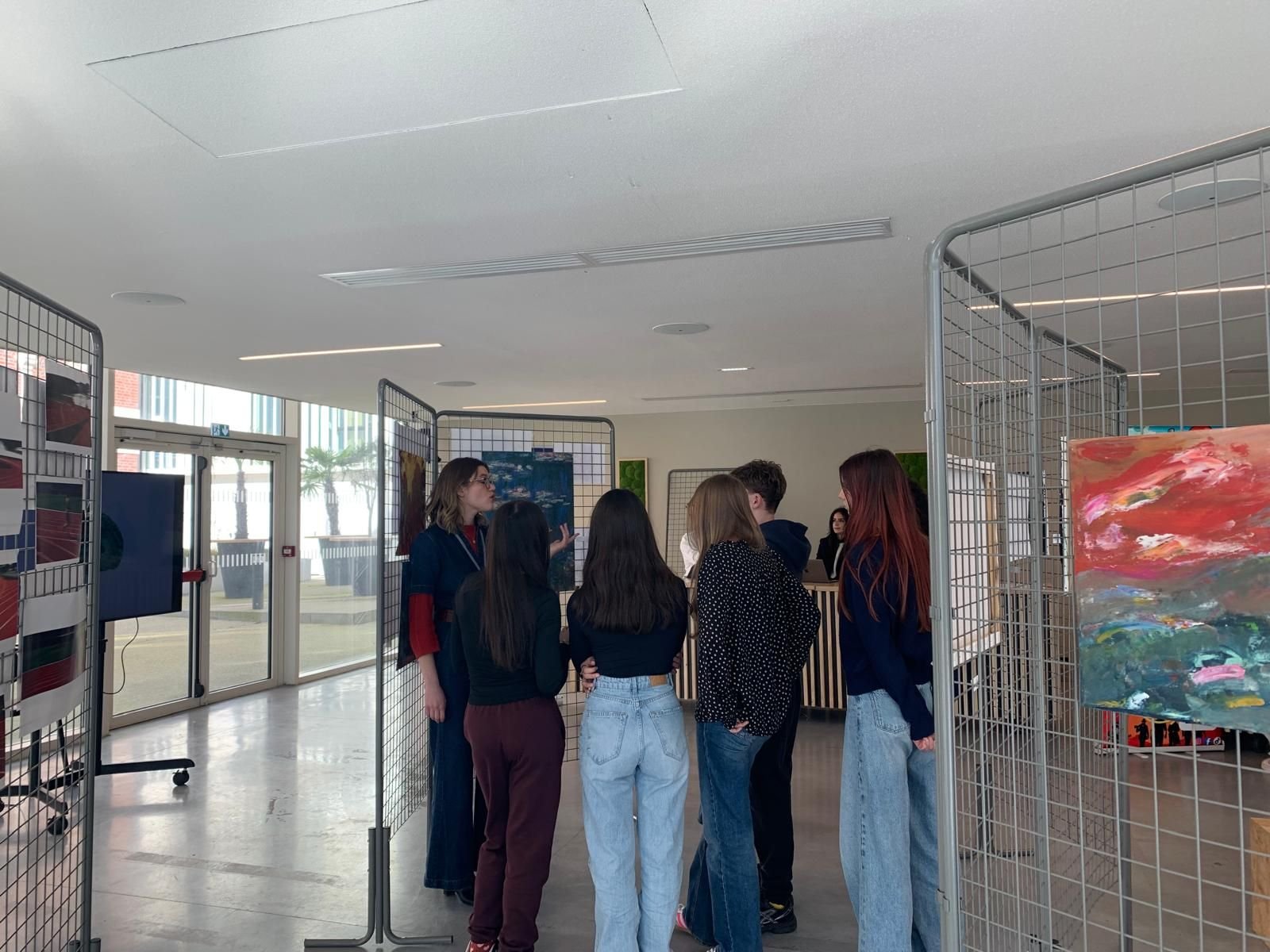
Similarly, at Reykjavík University (Iceland), the program connected research with everyday concerns. Public lectures addressed burnout and women’s mental health, while student presentations covered topics such as brain injury, exercise, and the gut–brain relationship. A dedicated workshop for children introduced basic neuroanatomy through hands-on activities.
Advancing scientific dialogue within the community
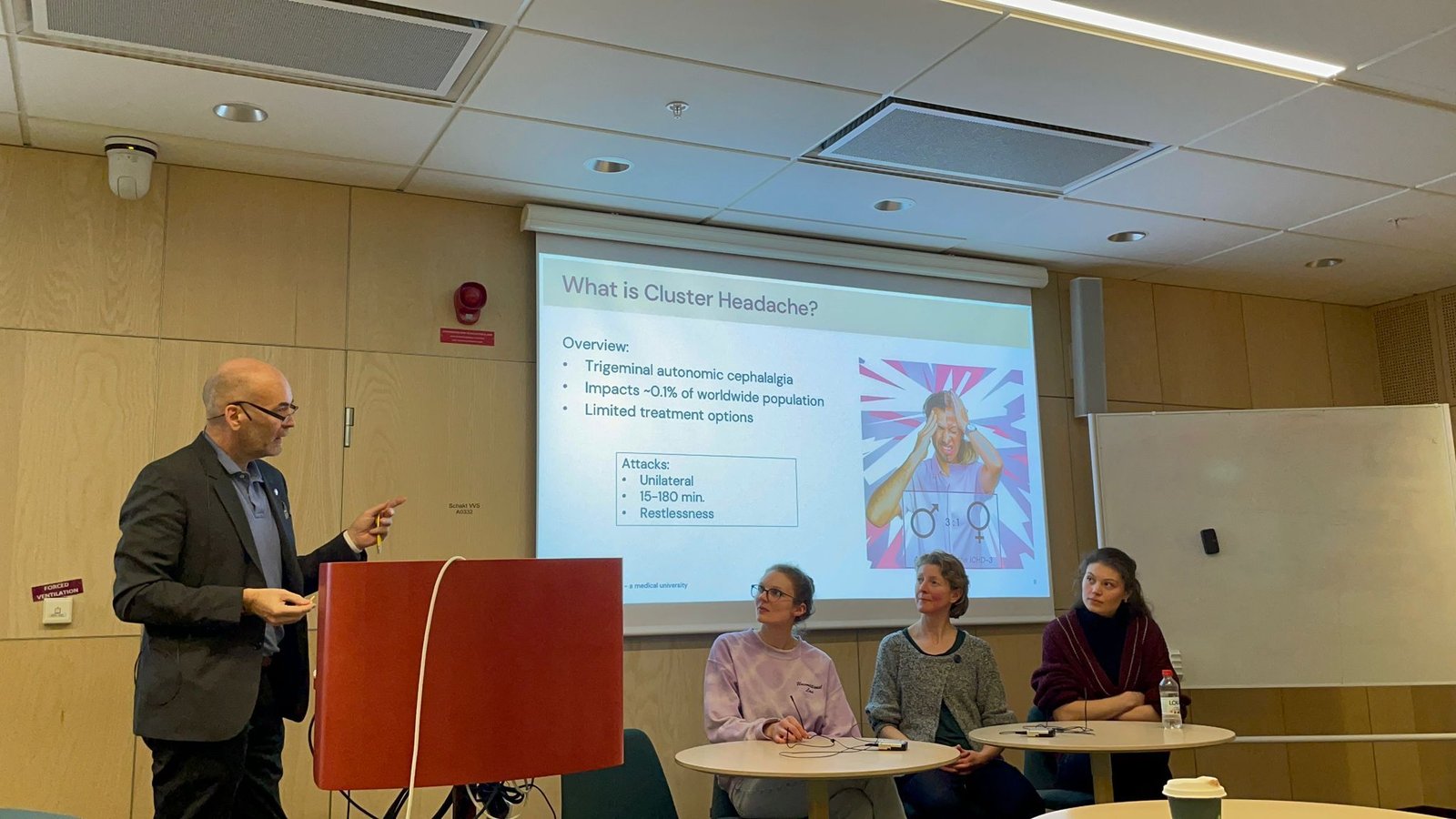
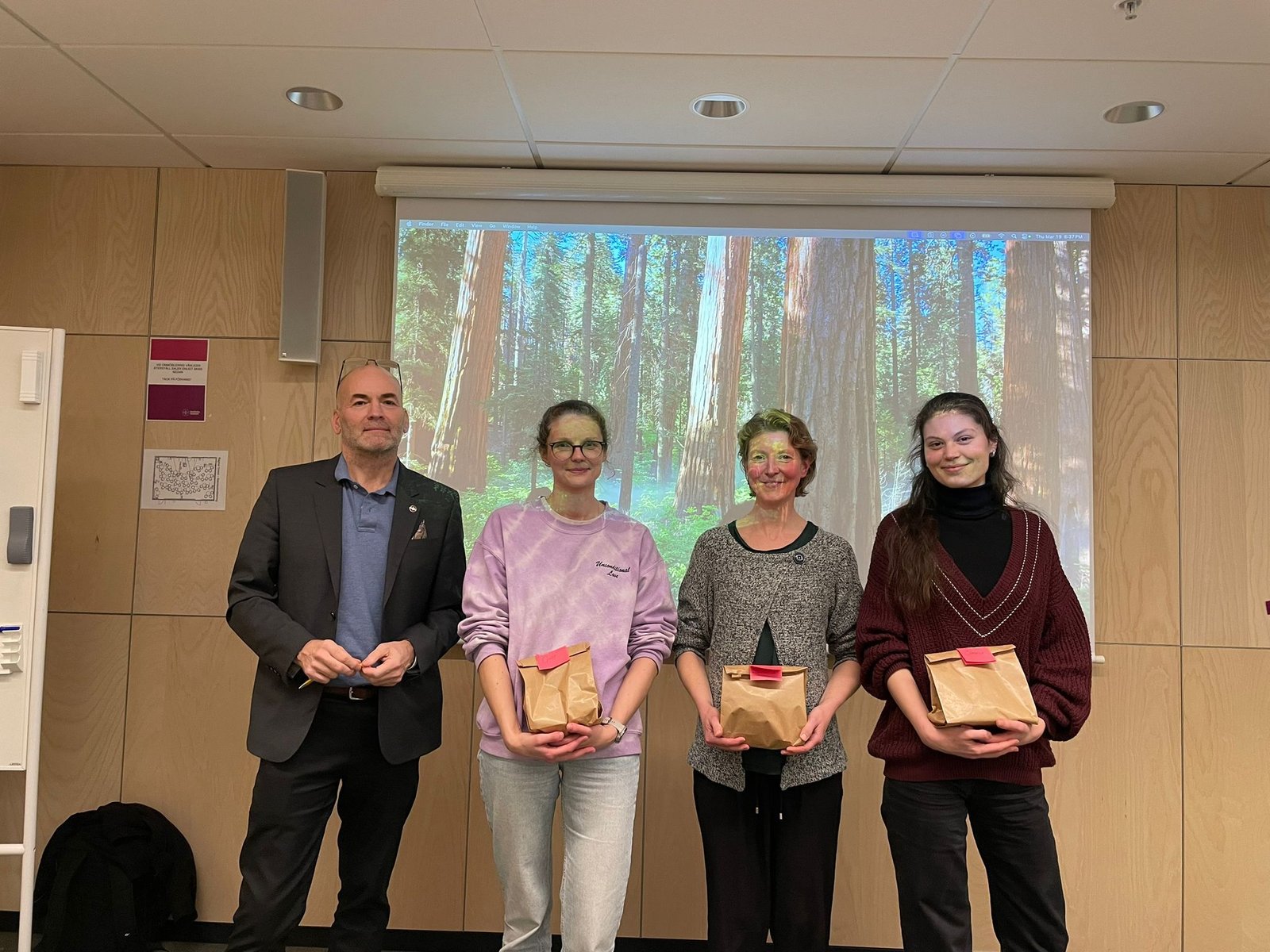
Alongside outreach, Brain Awareness Week also served as a platform for academic exchange. At Karolinska Institutet (Sweden), a PhD symposium showcased early-career researchers and encouraged discussion on the future of neuroscience. The “Journey Through the Brain” event complemented this with interactive demonstrations, including brain-controlled robotic systems and live experiments accessible to all ages.2
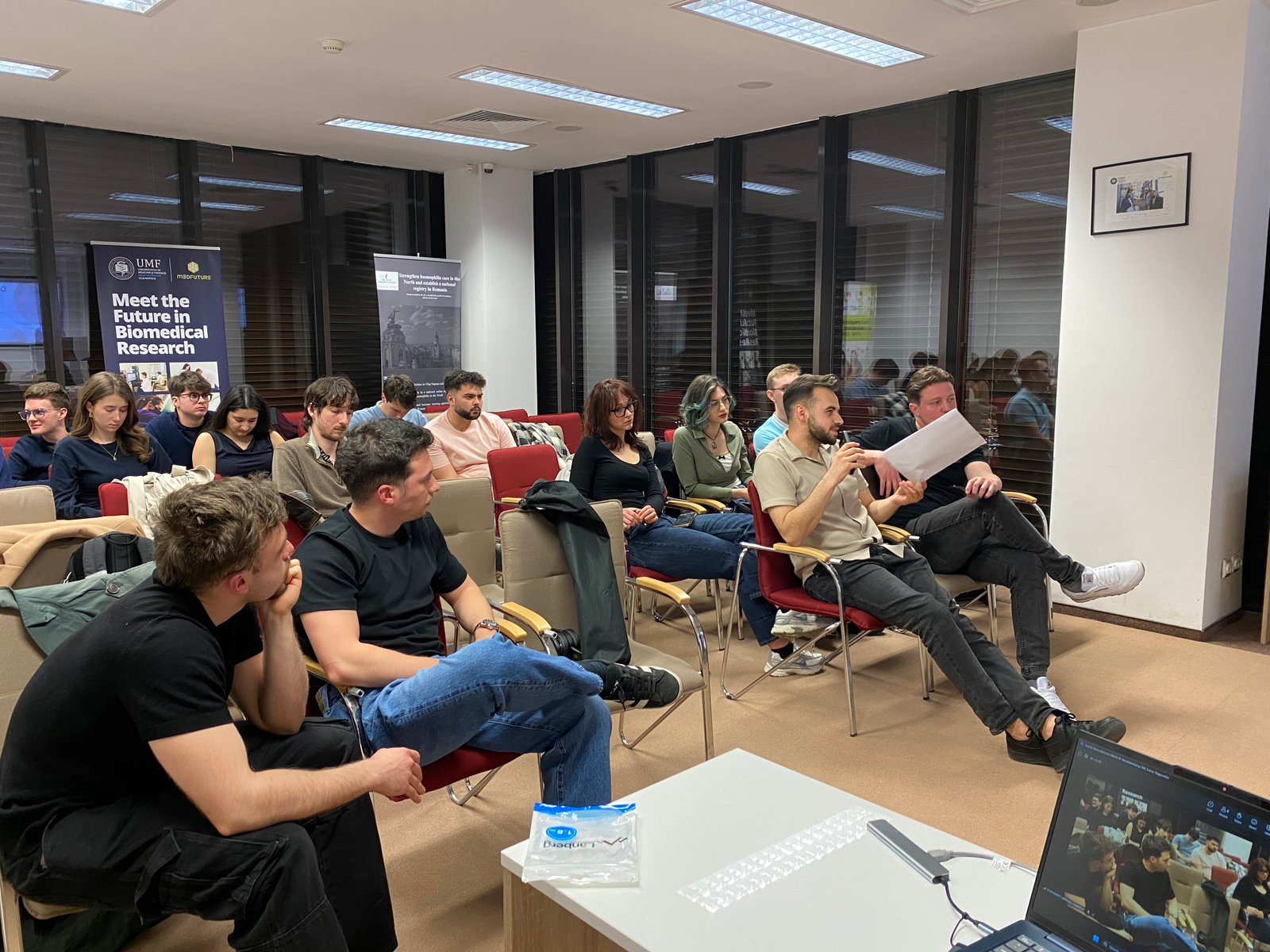
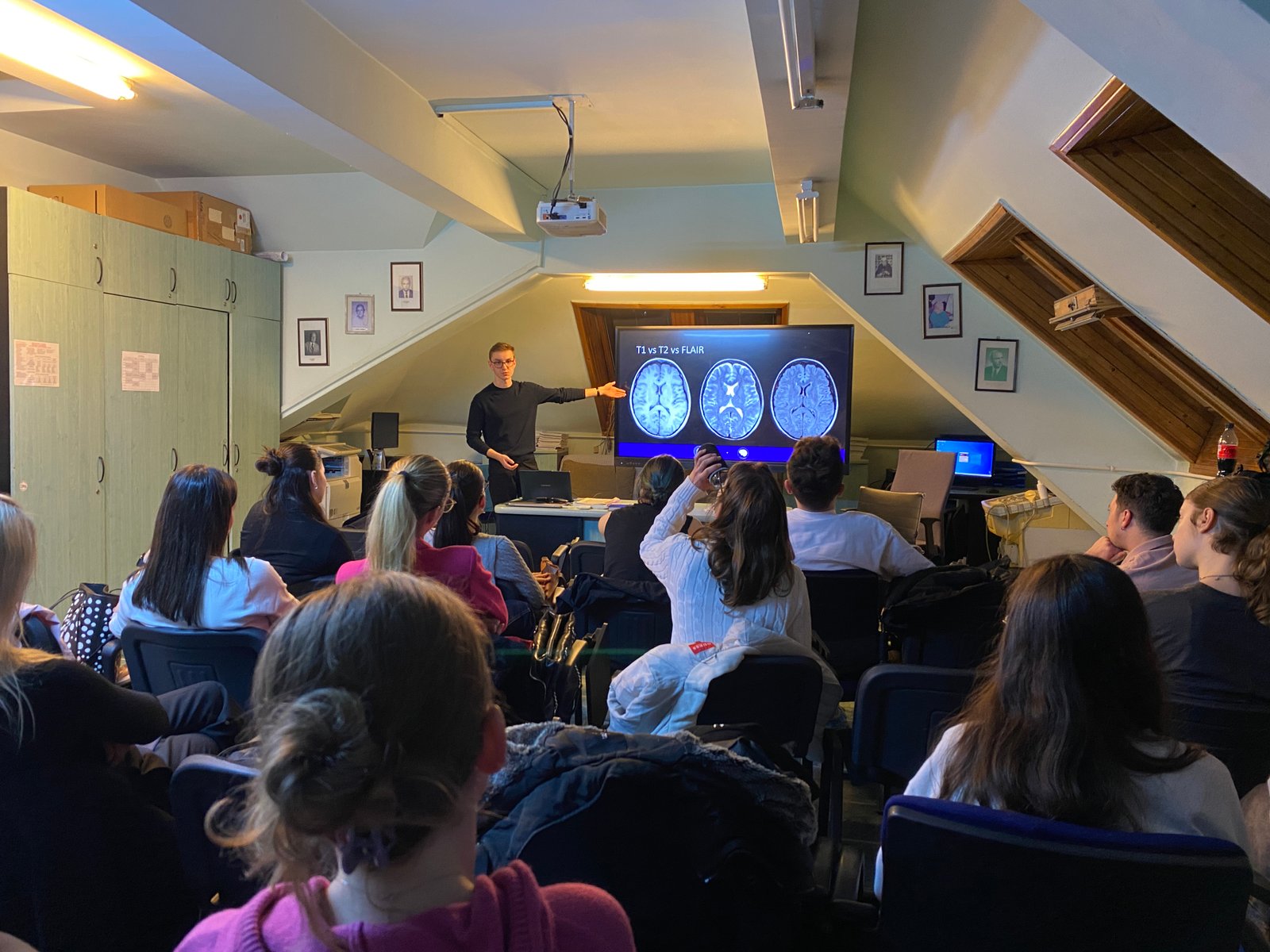
At the University of Medicine and Pharmachy in Cluj-Napoca (Romania), the Synapse students organised a Journal Club focusing on emerging technologies in neuro-oncology, followed by a Neuroquiz that blended learning with competition. A dedicated meeting on clinical practices in brain tumour management further connected research with medical applications.
At the the Medical University of University of Innsbruck (Austria), the program focused on the intersection of brain research, health, and artificial intelligence. Lectures explored topics such as neural signalling, AI-assisted diagnostics for brain tumours, sleep analysis, and the psychological impact of human–AI interactions. Accessibility was also prioritised, with all talks interpreted into Austrian Sign Language.
The University of Bonn (Germany) contributed with a scientific pub quiz, reinforcing the role of informal formats in engaging students and the wider public.
A shared European momentum
Across all nine NeurotechEU partners, Brain Awareness Week 2026 demonstrated a consistent approach: combining scientific excellence with openness, creativity, and inclusivity. Whether through large-scale public events, student-led initiatives, or specialised academic discussions, each institution contributed to a broader European effort to demystify the brain.
By addressing topics ranging from fundamental neuroscience to artificial intelligence, mental health, and ageing, this year’s edition reflected both the diversity of the field and its growing relevance to society. More importantly, it reaffirmed the role of NeurotechEU as a collaborative platform where research, education, and public engagement converge.
Brain Awareness Week continues to evolve, but its core mission remains unchanged: bringing neuroscience closer to people, and people closer to neuroscience.